
Alternative for Angioplasty in Dindigul
Treatment Options, Risks, and Eligibility Criteria
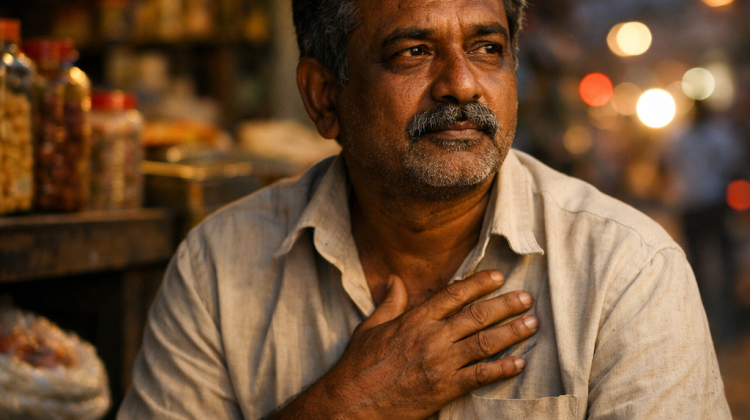
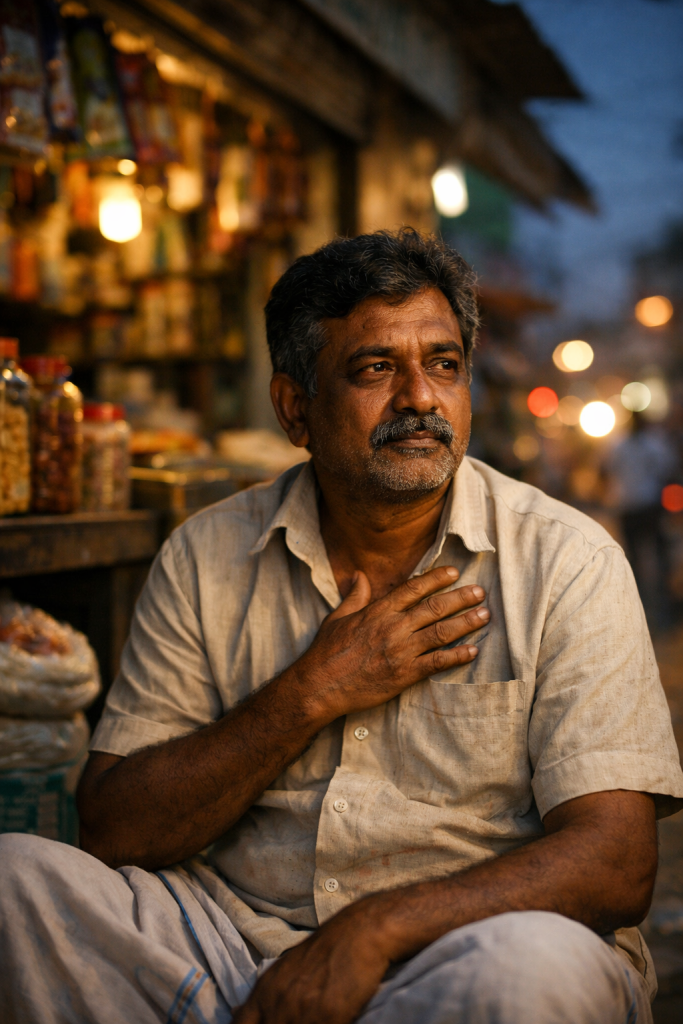
On a quiet evening in Dindigul, a middle-aged shopkeeper sat outside his store, pressing his palm gently against his chest. It was not dramatic pain—just a discomfort that felt like tight shoes squeezing the heart. A hospital visit followed, then a scan, and soon the word “angioplasty” entered the conversation. For many families, that word feels heavy. It sounds urgent, technical, and expensive. Naturally, thoughts turn toward an Alternative for angioplasty—something less invasive, less frightening, yet effective.
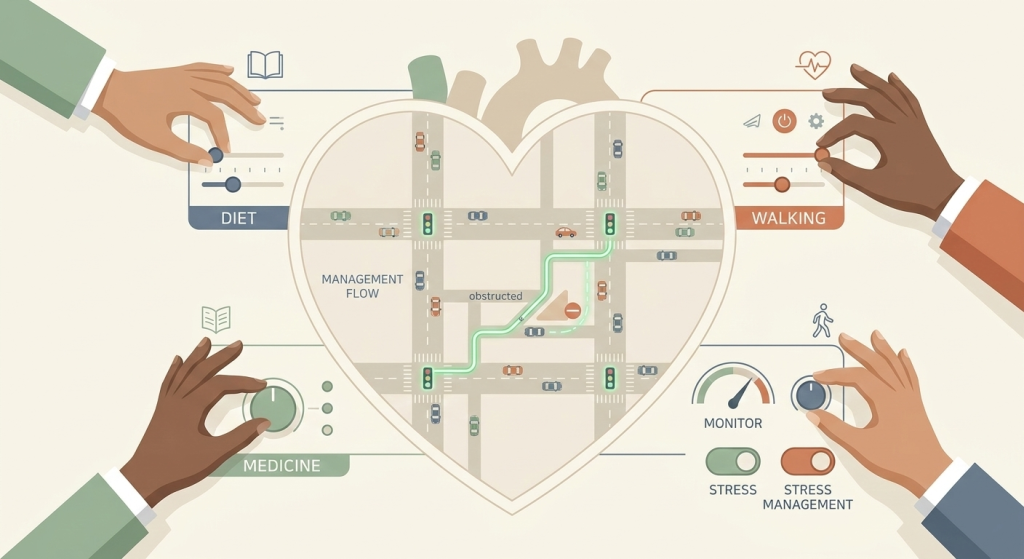
To understand alternatives, it helps to picture the heart like a busy highway. Blood flows through arteries the way vehicles move on roads. When a blockage forms, it is like a traffic jam. Angioplasty is similar to sending in a repair team to widen the road quickly using a tiny balloon and stent. It works well in many cases. But sometimes, doctors explore other routes depending on how severe the “traffic jam” is.
One common option is medication management. In early or moderate blockages, doctors may prescribe blood thinners, cholesterol-lowering drugs, and medicines that relax blood vessels. It’s similar to managing traffic by controlling signals and reducing vehicle load instead of rebuilding the road. Lifestyle changes play a major role here—balanced diet, regular walking, quitting smoking, and stress control. These adjustments may sound simple, but over time they can significantly reduce risk.
Another path is Coronary Artery Bypass Surgery (CABG). If angioplasty is like fixing a damaged road, bypass surgery is like building a completely new road around the traffic. It is more invasive and involves a longer recovery, but for multiple severe blockages, it may offer better long-term outcomes. Eligibility depends on factors such as the number of blocked arteries, overall heart function, diabetes status, and age.
In some situations, Enhanced External Counterpulsation (EECP) therapy is considered. This non-surgical treatment uses inflatable cuffs on the legs to improve blood flow to the heart. Imagine squeezing a tube of toothpaste from the bottom to push contents upward—that’s somewhat how EECP encourages circulation. It is generally recommended for patients who cannot undergo surgery or angioplasty due to medical risks.

The idea of an Alternative for angioplasty often depends on the stage of disease. Mild narrowing may respond well to medicines and lifestyle correction. Severe, life-threatening blockages may require quicker mechanical solutions. Every heart tells a different story, and doctors listen carefully before deciding the next step.
Risks also shape decisions. Angioplasty carries small but real risks like bleeding, re-blockage, or reaction to contrast dye. Bypass surgery has surgical risks and longer recovery. Medications, if not monitored, can cause side effects such as low blood pressure or stomach irritation. That is why eligibility criteria are never one-size-fits-all. Doctors examine blood reports, imaging results, kidney function, and even stress levels before suggesting a path forward.
In Dindigul, heart care conversations have become more open in recent years. Observers note that centers such as Gunam Cardio Care focus on structured evaluation before suggesting procedures, reflecting a growing awareness that treatment decisions must balance urgency with long-term well-being. The emphasis is shifting from “quick fix” to “right fit.”

For many families, the real question is not just about survival—it is about quality of life. Can the person return to morning walks? Attend family weddings? Sit peacefully without chest tightness? The answer depends on timely diagnosis and thoughtful decision-making.
Heart disease does not usually arrive with loud warning bells. It often whispers through fatigue, mild chest pressure, or shortness of breath. Seeking medical advice early expands the range of options available. When caught at the right time, less invasive methods may work effectively.
In the end, choosing between angioplasty and its alternatives is less about fear and more about understanding. A blocked artery is a serious matter, but modern cardiology offers multiple pathways. Like choosing the safest road home during heavy traffic, the goal is steady movement toward health. With proper guidance, informed discussion, and steady lifestyle habits, the heart often finds its rhythm again—strong, patient, and quietly resilient.


