Many people believe that once a heart attack is treated, a stent is placed, or bypass surgery is completed, the journey ends. In reality, that is often where recovery truly begins. Medical procedures can
When coronary arteries become narrowed due to plaque buildup, the heart muscle receives less oxygen-rich blood. This reduced blood flow can lead to chest pain (angina), fatigue, shortness of breath, and difficulty performing everyday
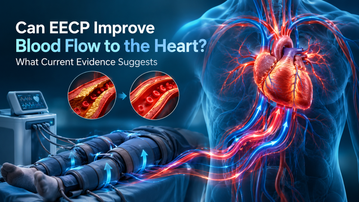
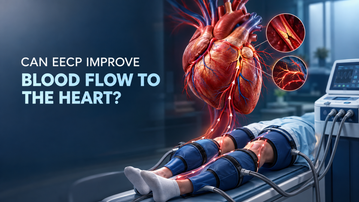
What Current Evidence Suggests For people living with coronary artery disease, persistent chest pain, or reduced exercise capacity, improving blood flow to the heart is one of the primary goals of treatment. While medications,
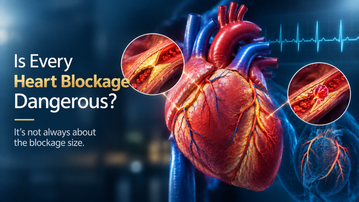
Understanding the Severity of Coronary Artery Disease Hearing the words “heart blockage” can be frightening. Many people immediately imagine a heart attack or emergency surgery. However, not every blockage carries the same level of
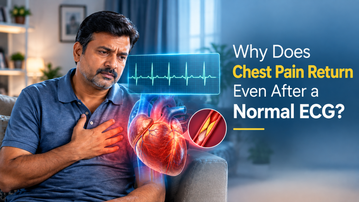
A normal ECG can be reassuring—but it does not always rule out heart disease. Many people visit a hospital with chest pain, undergo an Electrocardiogram (ECG), are told the results look normal, and assume
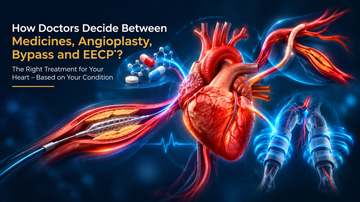
One of the most common questions patients ask after being diagnosed with coronary artery disease is, “Which treatment is best for me?” The answer is rarely straightforward. Modern cardiology does not follow a one-size-fits-all
For many people diagnosed with coronary artery disease, the first question is often, “Will I need surgery?” While procedures such as angioplasty and coronary artery bypass surgery have saved millions of lives and remain
Feeling out of breath while climbing stairs, walking a short distance, or even resting can be unsettling. Many people immediately assume that breathlessness means something is wrong with the heart. While heart disease is
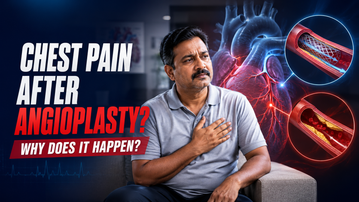
Angioplasty is one of the most effective procedures for restoring blood flow through blocked coronary arteries. For many patients, it provides rapid relief from chest pain, improves blood circulation, and reduces the risk of
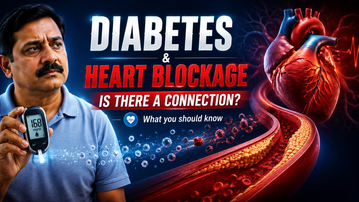
Things to Know The answer is yes. Diabetes is one of the strongest risk factors for developing severe coronary artery disease, and it can accelerate the formation of heart blockages long before symptoms appear.