Is Every Heart Blockage Dangerous?
Understanding the Severity of Coronary Artery Disease
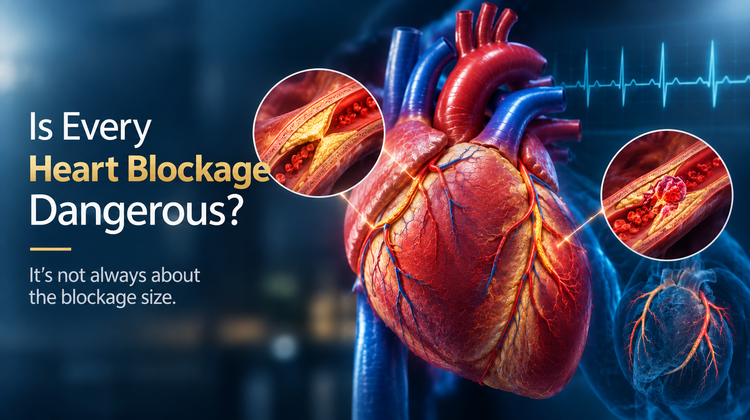
Hearing the words “heart blockage” can be frightening. Many people immediately imagine a heart attack or emergency surgery. However, not every blockage carries the same level of risk. Some blockages remain stable for years with proper medical treatment and lifestyle changes, while others require urgent intervention because they significantly reduce blood flow to the heart.
The seriousness of a heart blockage depends on much more than the percentage of narrowing. Cardiologists evaluate where the blockage is located, how many arteries are affected, whether the heart muscle is receiving enough oxygen, the patient’s symptoms, and the overall health of the individual before deciding on the best treatment.
If you’ve ever wondered, Is Every Heart Blockage Dangerous? Understanding the Severity of Coronary Artery Disease begins with knowing that coronary artery disease exists on a spectrum. The goal is not simply to find a blockage but to determine whether it threatens heart function, increases the risk of a heart attack, or requires immediate treatment.
What Is Coronary Artery Disease?
Coronary artery disease (CAD) develops when the coronary arteries become narrowed due to the gradual buildup of fatty deposits called atherosclerotic plaques.
These plaques contain:
- Cholesterol
- Fat
- Calcium
- Inflammatory cells
- Fibrous tissue
As plaques grow, they reduce the space available for blood to flow through the arteries. When the heart muscle receives less oxygen-rich blood, symptoms such as chest pain or shortness of breath may occur.
Coronary artery disease usually develops slowly over many years, making early detection and prevention extremely important.
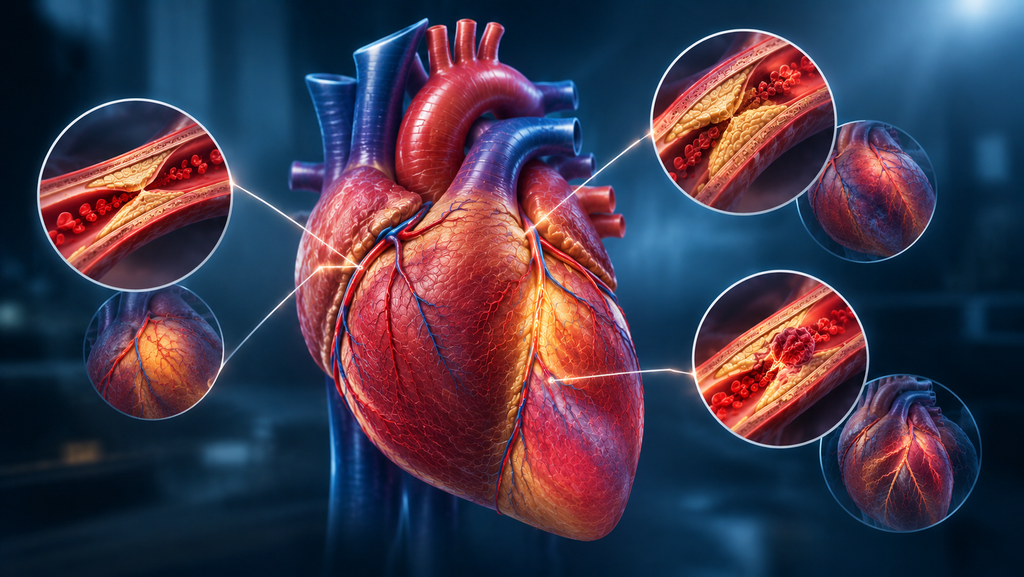
Not Every Blockage Is Equally Dangerous
One of the biggest myths about heart disease is that the percentage of blockage alone determines its severity.
For example:
- A 40% blockage in a critical artery with an unstable plaque may sometimes be more dangerous than a stable 70% blockage.
- A 90% blockage in one artery may require a different treatment than moderate blockages spread across several arteries.
- Some people with severe narrowing have very few symptoms, while others experience significant chest pain with less extensive disease.
Cardiologists evaluate the overall risk, not just a single number.
What Makes One Heart Blockage More Dangerous Than Another?
1. The Location of the Blockage
The location of a blockage can be just as important as its size.
Blockages affecting major arteries that supply large portions of the heart muscle may have greater clinical significance than those involving smaller branches.
For example, disease involving the left main coronary artery often requires urgent attention because it supplies blood to a substantial portion of the heart.
2. The Number of Blocked Arteries
A single narrowed artery is different from disease affecting multiple coronary arteries.
Patients with multivessel coronary artery disease often require more comprehensive treatment because larger areas of the heart may receive reduced blood flow.
3. Blood Flow to the Heart Muscle
Doctors do not treat blockages simply because they exist.
They assess whether the narrowing is actually reducing blood flow enough to damage the heart or cause symptoms.
Some blockages appear significant on imaging but allow adequate circulation, while others severely restrict blood supply during physical activity.
4. Plaque Stability
A stable plaque may remain relatively unchanged for years.
An unstable plaque, however, can rupture suddenly.
When this happens, a blood clot may rapidly form inside the artery, leading to a heart attack even if the blockage was not previously considered severe.
This is one reason why prevention is just as important as treatment.
5. Symptoms Matter
Two patients with identical angiogram results may experience very different symptoms.
Doctors carefully evaluate whether patients have:
- Chest pain
- Shortness of breath
- Fatigue
- Reduced exercise capacity
- Dizziness
- Symptoms during physical activity
The impact on daily life plays an important role in treatment decisions.

Understanding Mild, Moderate, and Severe Coronary Artery Disease
Although every patient is different, coronary artery disease is often broadly categorized based on its severity.
Mild Coronary Artery Disease
Patients may have:
- Small plaque deposits
- Little reduction in blood flow
- Few or no symptoms
Treatment usually focuses on:
- Lifestyle changes
- Cholesterol control
- Blood pressure management
- Diabetes management
- Preventive medications
Moderate Coronary Artery Disease
Patients may begin experiencing symptoms during physical activity.
Additional testing often helps determine whether reduced blood flow is significant enough to require intervention.
Treatment may include:
- Medicines
- Lifestyle modification
- Regular cardiac monitoring
- Further diagnostic evaluation
Severe Coronary Artery Disease
Severe disease may involve:
- Significant narrowing of major arteries
- Multiple blockages
- Reduced blood supply to the heart muscle
- Persistent symptoms despite medication
Depending on the findings, treatment may involve angioplasty, bypass surgery, or other evidence-based therapies.
Why Some Heart Attacks Occur Without Severe Blockages
This surprises many people.
Heart attacks are not always caused by the largest blockage.
Sometimes a relatively small plaque suddenly ruptures.
The body’s natural response is to form a blood clot over the rupture.
If the clot completely blocks the artery, blood flow stops, causing a heart attack.
This explains why controlling cholesterol, inflammation, blood pressure, and diabetes remains essential—even when blockages appear relatively mild.
Risk Factors That Increase the Severity of Coronary Artery Disease
Several factors accelerate plaque formation and increase cardiovascular risk.
These include:
- Diabetes
- High blood pressure
- High LDL cholesterol
- Smoking
- Obesity
- Physical inactivity
- Chronic kidney disease
- Family history of heart disease
- Chronic stress
- Increasing age
Managing these risk factors can significantly reduce future complications.

How Doctors Determine the Severity of Coronary Artery Disease
Diagnosing coronary artery disease involves much more than identifying blocked arteries.
A comprehensive evaluation may include:
Electrocardiogram (ECG)
Evaluates heart rhythm and may detect previous or ongoing heart damage.
Echocardiogram
Shows how well the heart pumps blood and whether the heart muscle has been affected.
Stress Test
Assesses how the heart responds when oxygen demand increases during exercise or medication-induced stress.
CT Coronary Angiography
Provides detailed non-invasive images of coronary arteries and plaque buildup.
Coronary Angiogram
Remains one of the most accurate methods for evaluating the location and severity of coronary artery blockages.
Blood Tests
Doctors also evaluate:
- Cholesterol levels
- Blood sugar
- Kidney function
- Cardiac biomarkers
- Other cardiovascular risk indicators
Together, these investigations help create a complete picture of heart health.
Can Heart Blockages Be Managed Without Surgery?
Yes—in many cases.
Patients with stable coronary artery disease may successfully manage their condition through:
- Medications
- Healthy eating
- Regular physical activity
- Smoking cessation
- Blood pressure control
- Diabetes management
- Cholesterol reduction
- Weight management
- Regular cardiology follow-up
The appropriate treatment depends on the patient’s symptoms, diagnostic findings, and overall cardiovascular risk.
When Is Angioplasty or Bypass Surgery Necessary?
Invasive treatment is generally considered when:
- Blood flow is significantly reduced.
- Symptoms persist despite medications.
- A heart attack is occurring.
- High-risk coronary artery disease is identified.
- Multiple major arteries are severely blocked.
- Left main coronary artery disease is present.
The objective is to restore adequate blood flow and protect heart function.
Where Does EECP Fit Into Coronary Artery Disease Treatment?
For selected patients with chronic stable coronary artery disease, Enhanced External Counter Pulsation (EECP) may become part of the treatment plan.
EECP is a non-invasive therapy that uses inflatable cuffs placed around the legs. These cuffs inflate and deflate in synchronization with the heartbeat, helping improve blood flow to the heart and encouraging the development of natural collateral blood vessels.
EECP does not remove arterial plaque or replace angioplasty or bypass surgery when those procedures are medically necessary. Instead, it may help improve symptoms and quality of life in carefully selected patients who continue experiencing chronic stable angina despite medications or previous interventions.
Focus on Heart Health, Not Just Blockage Percentage
One of the most valuable shifts in modern cardiology is moving away from asking, “How blocked is the artery?” toward asking, “How healthy is the heart overall?”
Doctors now evaluate:
- Heart muscle function
- Blood flow
- Exercise capacity
- Symptom burden
- Risk of future heart attacks
- Overall quality of life
This broader perspective leads to more personalized and effective treatment decisions.
Frequently Asked Questions
Can a small heart blockage still cause a heart attack?
Yes. If a small plaque becomes unstable and ruptures, it can trigger a blood clot that suddenly blocks the artery, leading to a heart attack.
Does every heart blockage require surgery?
No. Many patients with stable coronary artery disease are successfully treated with medications, lifestyle modifications, and regular medical follow-up. Surgery or angioplasty is recommended only when the expected benefits clearly outweigh the risks.
Can heart blockages improve with lifestyle changes?
Lifestyle changes usually do not remove significant plaques, but they can slow disease progression, stabilize existing plaques, improve blood vessel function, and reduce the risk of future cardiovascular events.
Can EECP treat every type of coronary artery disease?
No. EECP is intended for carefully selected patients with chronic stable coronary artery disease, particularly those who continue experiencing symptoms despite optimal medical therapy or who are not suitable candidates for additional invasive procedures.
Is Every Heart Blockage Dangerous? Understanding the Severity of Coronary Artery Disease begins with recognizing that not all blockages pose the same level of risk. The severity depends on several factors, including the location of the blockage, the number of arteries involved, blood flow to the heart, plaque stability, symptoms, and the patient’s overall health—not simply the percentage of narrowing.
The encouraging news is that early diagnosis, evidence-based treatment, and consistent lifestyle changes can significantly reduce the risk of heart attacks and other complications. Whether your treatment involves medications, angioplasty, bypass surgery, or non-invasive therapies such as EECP, the most effective strategy is one that is personalized to your condition. Regular follow-up with a cardiologist and proactive management of cardiovascular risk factors remain the foundation of long-term heart health.