
Can Diabetes Make Heart Blockages Worse?
Things to Know
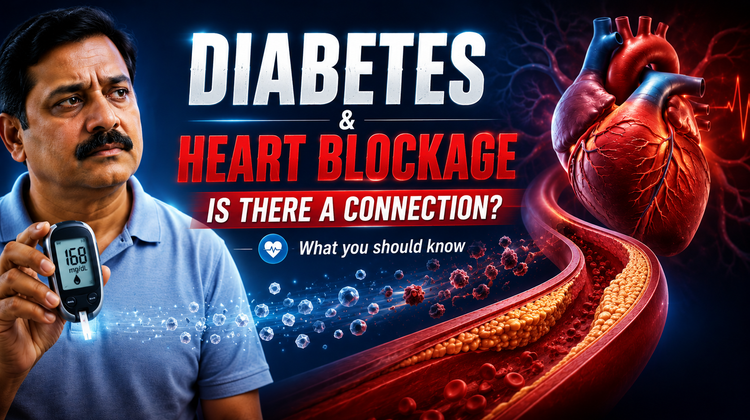
The answer is yes. Diabetes is one of the strongest risk factors for developing severe coronary artery disease, and it can accelerate the formation of heart blockages long before symptoms appear. People living with diabetes are not only more likely to develop blocked arteries, but they also tend to have more widespread and complex blockages than individuals without diabetes.
The challenge is that diabetes often damages blood vessels silently. By the time chest pain or breathlessness develops, significant narrowing of the coronary arteries may already be present. This is why cardiologists consider diabetes a major cardiovascular disease rather than simply a condition affecting blood sugar.
If you have diabetes, understanding the connection between blood sugar and heart health can help you take action early. Can Diabetes Make Heart Blockages Worse? The evidence clearly shows that controlling diabetes is one of the most effective ways to reduce long-term cardiovascular complications.
Why Diabetes and Heart Disease Are Closely Connected
Glucose is essential for energy, but persistently high blood sugar damages the inner lining of blood vessels over time.
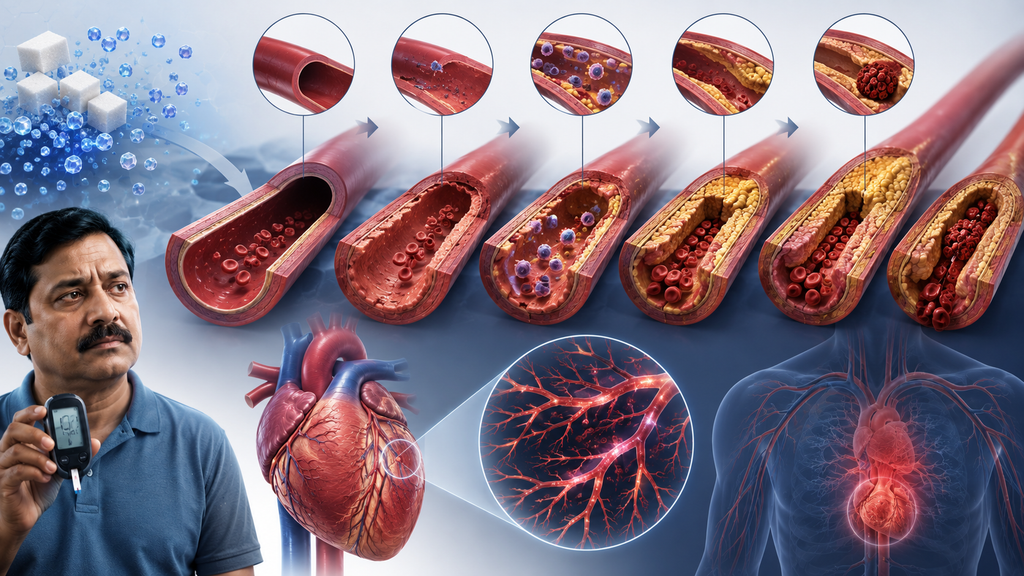
Healthy arteries have a smooth inner surface that allows blood to flow freely. Diabetes gradually injures this protective lining, making it easier for cholesterol, inflammatory cells, and fatty deposits to accumulate. As plaque builds up, arteries become narrower and less flexible, reducing blood flow to the heart.
The longer blood sugar remains uncontrolled, the greater the cumulative damage to the cardiovascular system.
How Diabetes Makes Heart Blockages Worse
Diabetes does not cause heart blockages through a single mechanism. Instead, it creates multiple changes in the body that work together to accelerate coronary artery disease.
1. Faster Plaque Formation
High blood sugar promotes inflammation within blood vessels, encouraging cholesterol to stick to damaged artery walls.
This process speeds up plaque development and increases the likelihood of significant coronary artery narrowing.
2. More Extensive Coronary Artery Disease
People with diabetes often develop blockages in multiple coronary arteries rather than a single location.
This widespread involvement may make treatment more complex and increase the risk of future cardiac events.
3. Increased Inflammation
Chronic inflammation plays an important role in heart disease.
Diabetes maintains a state of ongoing low-grade inflammation, making plaques more likely to grow and become unstable.
4. Greater Risk of Blood Clot Formation
Diabetes affects platelet function and blood clotting mechanisms.
If a plaque ruptures, the body may form a clot more easily, potentially leading to a heart attack.
5. Damage to Small Blood Vessels
Not all circulation problems involve major coronary arteries.
Diabetes can also damage tiny blood vessels that supply the heart muscle, reducing oxygen delivery even when larger arteries appear less severely blocked.
Why Heart Disease Often Goes Undetected in People With Diabetes
One of the biggest concerns is that diabetes can affect the nerves responsible for transmitting pain signals.
As a result, some people experience:
- Mild chest discomfort
- Unusual fatigue
- Breathlessness
- Indigestion-like symptoms
- Shoulder, jaw, or back discomfort
- No symptoms at all
This phenomenon, often called silent ischemia, means significant heart disease may progress without the classic warning signs many people expect.
Regular cardiovascular screening becomes especially important for diabetic individuals with additional risk factors.
Warning Signs You Should Never Ignore
Although symptoms vary from person to person, seek medical evaluation if you experience:
- Chest pain during physical activity
- Shortness of breath
- Fatigue that is new or worsening
- Chest pressure while climbing stairs
- Pain spreading to the arm, neck, jaw, or back
- Reduced ability to perform routine activities
- Unexplained dizziness
Early diagnosis offers more treatment options and may prevent serious complications.

Who Is at the Highest Risk?
The likelihood of developing significant coronary artery disease increases when diabetes is combined with other cardiovascular risk factors.
Higher-risk individuals include those who have:
- High blood pressure
- High cholesterol
- Smoking history
- Obesity
- Kidney disease
- Physical inactivity
- Family history of premature heart disease
- Long-standing diabetes
- Poor blood sugar control
The presence of multiple risk factors substantially increases cardiovascular risk.
Can Good Blood Sugar Control Reduce Heart Blockages?
Controlling diabetes cannot erase existing plaque, but it can significantly slow disease progression and reduce the risk of future cardiovascular events.
Effective diabetes management helps:
- Reduce blood vessel damage
- Lower inflammation
- Improve cholesterol balance
- Support healthier artery function
- Reduce complications affecting the heart, kidneys, brain, and eyes
The earlier blood sugar is controlled, the greater the long-term cardiovascular benefit.
Lifestyle Changes That Protect Both the Heart and Blood Sugar
Managing diabetes involves much more than lowering glucose readings.
A heart-protective lifestyle includes:
Healthy Nutrition
Focus on:
- Vegetables
- Fruits in appropriate portions
- Whole grains
- Lean proteins
- Healthy fats
- High-fiber foods
- Reduced intake of processed foods and sugary drinks
Balanced nutrition supports both glucose control and cardiovascular health.
Regular Physical Activity
Exercise improves:
- Insulin sensitivity
- Blood circulation
- Blood pressure
- Cholesterol levels
- Weight management
- Heart function
Patients with existing heart disease should follow an exercise plan recommended by their healthcare provider.
Avoid Tobacco
Smoking significantly accelerates blood vessel damage already caused by diabetes.
Stopping tobacco use is one of the most effective ways to reduce cardiovascular risk.
Manage Blood Pressure and Cholesterol
Diabetes management should include regular monitoring of:
- Blood pressure
- LDL cholesterol
- Kidney function
- Blood sugar (HbA1c)
- Body weight
These factors work together to influence heart health.

How Doctors Evaluate Heart Disease in People With Diabetes
Cardiologists use several diagnostic tools depending on symptoms and individual risk.
These may include:
- Electrocardiogram (ECG)
- Echocardiogram
- Treadmill stress test
- CT coronary angiography
- Coronary angiogram
- Blood investigations
- Blood pressure assessment
- Cholesterol profile
The goal is to identify cardiovascular disease before irreversible damage occurs.
What Treatment Options Are Available?
Treatment depends on the severity of coronary artery disease and the patient’s overall condition.
Possible approaches include:
Medical Therapy
Medications may be prescribed to:
- Control blood sugar
- Lower cholesterol
- Reduce blood pressure
- Prevent blood clots
- Relieve chest pain
Lifestyle Modification
Long-term success requires sustainable improvements in:
- Diet
- Exercise
- Weight management
- Smoking cessation
- Stress management
Interventional Procedures
Some patients may require:
- Coronary angioplasty with stenting
- Coronary artery bypass surgery (CABG)
These procedures restore blood flow when significant blockages threaten heart function.
EECP Therapy for Selected Patients
For carefully selected patients with chronic stable angina or persistent symptoms despite standard treatment, Enhanced External Counter Pulsation (EECP) may be recommended.
EECP is a non-invasive therapy that improves blood circulation by increasing blood flow to the heart and encouraging the development of natural collateral blood vessels. While it does not remove arterial plaque, it may help reduce symptoms and improve quality of life in appropriate candidates after cardiology evaluation.