

Can Lifestyle Changes Reduce the Need for Heart Surgery?
For many people diagnosed with coronary artery disease, the first question is often, “Will I need surgery?” While procedures such as angioplasty and coronary artery bypass surgery have saved millions of lives and remain essential in many situations, they are not the inevitable outcome for every patient.
The health of your heart is influenced not only by what happens in the catheterization laboratory or operating room but also by the choices you make every day. Managing blood pressure, controlling diabetes, eating wisely, staying physically active, and quitting smoking can slow the progression of heart disease and, in some cases, delay or reduce the need for invasive procedures.
However, lifestyle changes are not a substitute for emergency medical treatment. They work best as part of a comprehensive care plan designed by your cardiologist.
So, Can Lifestyle Changes Reduce the Need for Heart Surgery? For many patients with stable heart disease, the answer is yes—they can reduce risk, improve heart function, and sometimes postpone or even avoid surgery. But the decision depends on the severity of the disease, symptoms, and overall heart health.
What Determines Whether Heart Surgery Is Needed?
Heart surgery is recommended when the benefits clearly outweigh the risks. Cardiologists do not make this decision based on symptoms alone.
Several factors are carefully evaluated, including:
- The number of blocked coronary arteries
- The severity and location of blockages
- Blood flow to the heart muscle
- Heart pumping function
- Results of imaging and stress tests
- Presence of diabetes or kidney disease
- Severity of symptoms
- Response to medications
Some patients require immediate intervention, while others can be managed safely with medications and lifestyle modifications under close medical supervision.
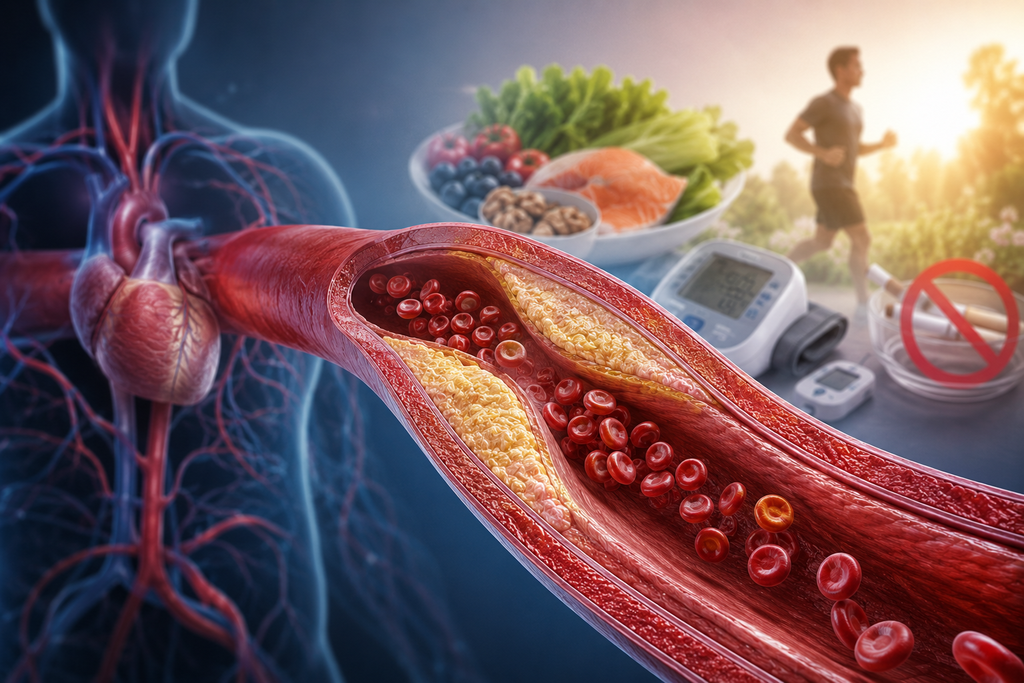
Lifestyle Changes Do Not Remove Existing Blockages
One of the biggest misconceptions is that healthy habits can “clean” blocked arteries.
Current scientific evidence shows that lifestyle improvements generally do not remove significant plaque from coronary arteries. Instead, they help by:
- Slowing disease progression
- Stabilizing existing plaques
- Reducing inflammation
- Improving blood vessel function
- Lowering the risk of plaque rupture
- Preventing new blockages from forming
This distinction is important because realistic expectations lead to better long-term care.
The Five Lifestyle Changes That Have the Greatest Impact
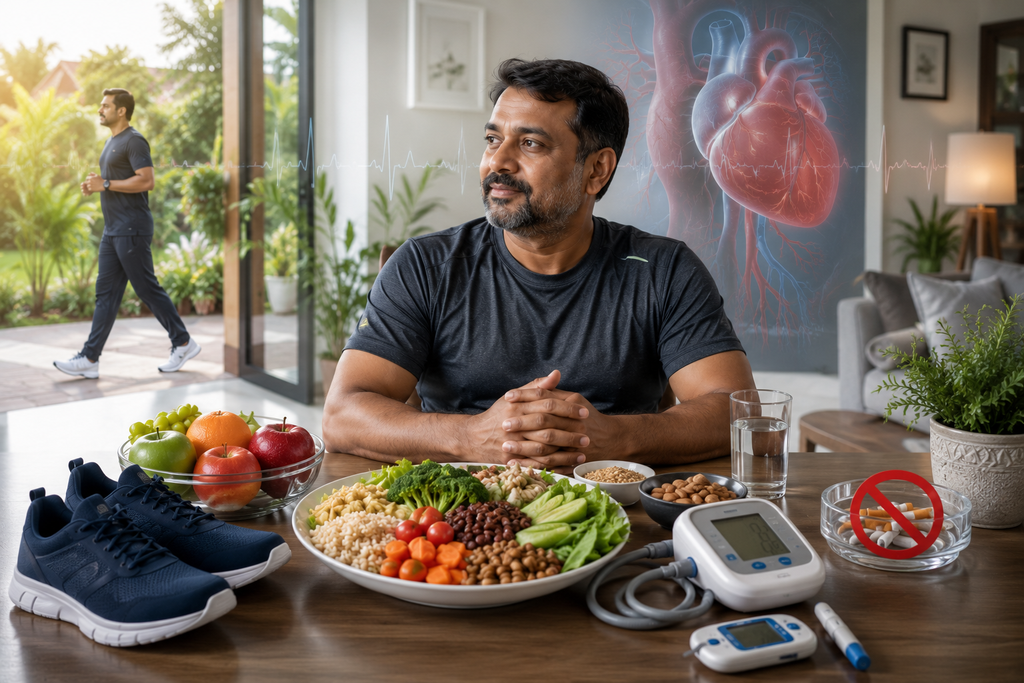
1. Improve Your Diet Before Your Disease Progresses
Food influences cholesterol, blood pressure, inflammation, body weight, and blood sugar—all major contributors to heart disease.
A heart-friendly eating pattern includes:
- Fresh vegetables
- Fruits in appropriate portions
- Whole grains
- Lentils and legumes
- Nuts and seeds
- Lean proteins
- Healthy fats
- Reduced salt intake
- Minimal processed foods
- Limited sugary beverages
Rather than following short-term diet trends, aim for sustainable eating habits that can be maintained for years.
2. Make Physical Activity a Daily Habit
Regular exercise strengthens both the heart and the circulatory system.
Benefits include:
- Improved blood circulation
- Better blood pressure control
- Lower cholesterol
- Improved insulin sensitivity
- Weight management
- Better endurance
- Reduced cardiovascular risk
Patients with known heart disease should always discuss the appropriate level of exercise with their cardiologist before beginning a new fitness program.
3. Control Diabetes Aggressively
Diabetes accelerates plaque formation and increases the likelihood of complex coronary artery disease.
Good diabetes management helps:
- Protect blood vessels
- Reduce inflammation
- Lower cardiovascular risk
- Improve long-term heart health
Keeping blood sugar within target ranges is one of the most effective ways to protect the heart.
4. Stop Smoking Completely
Smoking damages the inner lining of blood vessels, increases blood clot formation, and accelerates plaque buildup.
The benefits of quitting begin almost immediately and continue to increase over time.
Stopping smoking reduces the risk of:
- Heart attacks
- Stroke
- Peripheral artery disease
- Progression of coronary artery disease
There is no safe level of tobacco exposure for cardiovascular health.
5. Manage Blood Pressure and Cholesterol Consistently
High blood pressure and elevated LDL cholesterol often progress silently.
Routine monitoring and appropriate treatment help prevent further damage to the arteries and reduce the likelihood of future cardiac events.
Lifestyle Changes Are Most Effective When Started Early
Many people wait until they develop severe symptoms before changing their habits.
Unfortunately, by that stage, coronary artery disease may already be advanced.
The greatest benefits occur when healthy lifestyle choices begin:
- Before symptoms develop
- After risk factors are identified
- Immediately following diagnosis
- After angioplasty or bypass surgery
- During long-term cardiac rehabilitation
Heart disease management is a lifelong process rather than a temporary intervention.
Can Lifestyle Changes Delay Surgery?
For patients with stable coronary artery disease, lifestyle modification combined with medications may help:
- Reduce chest pain
- Improve exercise capacity
- Slow plaque progression
- Improve cholesterol levels
- Lower blood pressure
- Reduce inflammation
- Improve quality of life
In some carefully selected patients, these improvements may delay the need for invasive procedures. However, this decision should always be based on regular medical evaluation—not on symptoms alone.
When Lifestyle Changes Alone Are Not Enough
There are situations where delaying surgery can be dangerous.
Heart surgery or angioplasty may still be necessary if a patient has:
- Severe coronary artery blockages
- Acute heart attack
- Left main coronary artery disease
- Unstable angina
- Ongoing chest pain despite medications
- High-risk findings on diagnostic tests
- Significant reduction in blood flow to the heart
In these situations, lifestyle changes remain essential but cannot replace timely medical intervention.
Where Does EECP Fit Into Heart Care?
For patients with chronic stable angina who continue experiencing symptoms despite medications—or for those who are not suitable candidates for further invasive procedures—Enhanced External Counter Pulsation (EECP) may be considered.
EECP is a non-invasive therapy that uses inflatable cuffs wrapped around the legs to improve blood circulation during each heartbeat. Over time, it can encourage the development of natural collateral blood vessels, helping deliver more oxygen-rich blood to the heart muscle.
EECP does not replace angioplasty or bypass surgery when those treatments are medically necessary. Instead, it serves as an additional treatment option for carefully selected patients after a thorough cardiology evaluation.
Think Beyond Survival—Think About Heart Reserve
Most people focus on avoiding surgery. A more valuable goal is preserving what cardiologists often call your heart’s “functional reserve”—its ability to handle physical activity, stress, illness, and aging without symptoms.
Lifestyle changes build this reserve by improving the health of your blood vessels, muscles, lungs, and metabolism. Even if surgery eventually becomes necessary, patients who maintain healthier lifestyles often experience:
- Better recovery after procedures
- Lower complication rates
- Improved physical endurance
- Reduced risk of future cardiac events
- Better long-term quality of life
The objective is not simply to avoid surgery—it is to build a stronger cardiovascular system for the years ahead.

Questions to Discuss With Your Cardiologist
If you have been diagnosed with coronary artery disease, consider asking:
- Is my condition stable enough for medical management?
- Which lifestyle changes would have the greatest impact for me?
- How often should my heart be reassessed?
- What warning signs should prompt immediate medical attention?
- Am I at risk of needing angioplasty or bypass surgery?
- Could EECP be beneficial if symptoms persist?
- How can I measure whether my lifestyle changes are improving my heart health?
These conversations help create a personalized treatment plan based on your specific needs.



https://webtoolsreview.substack.com/p/a-tiktok-link-is-not-a-backup-how