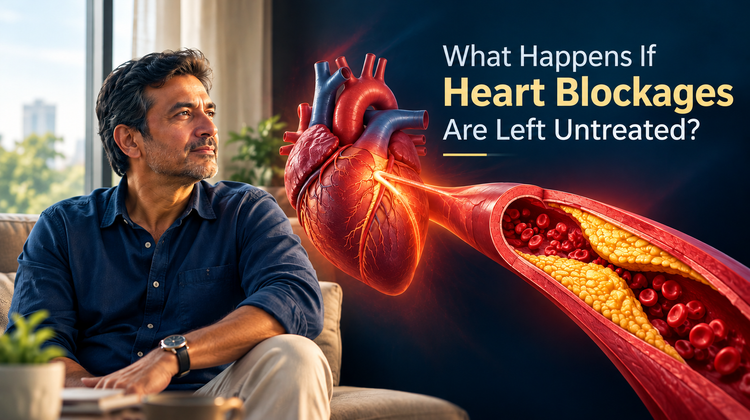
What Happens If Heart Blockages Are Left Untreated?
Most of us have a relative who said, “I felt completely fine, and then suddenly…” It’s one of the most common stories in cardiology, and it points to something worth understanding: heart blockages rarely appear overnight, and they rarely announce themselves early.
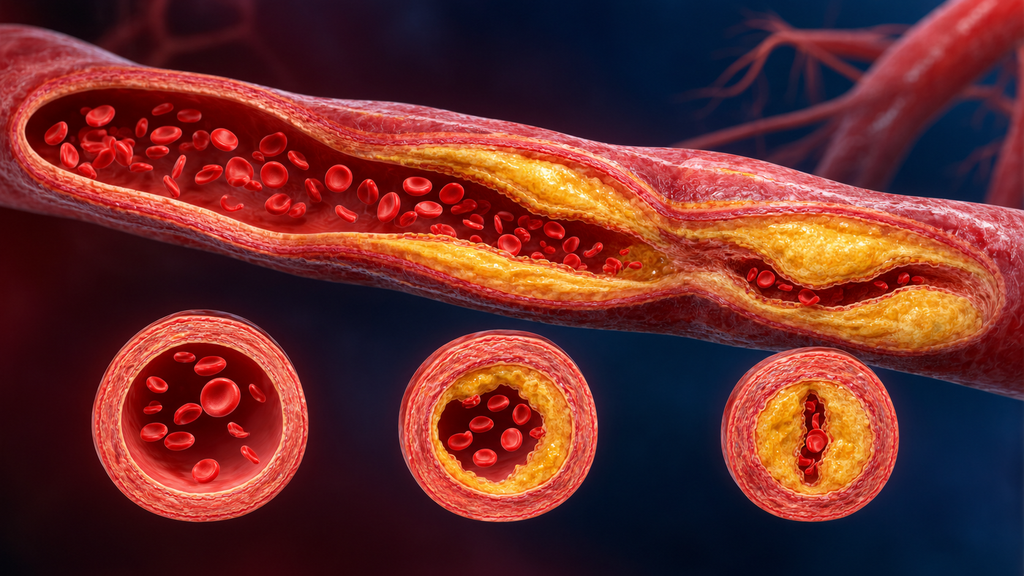
They build slowly, often over many years. Cholesterol, fat, calcium and inflammatory cells gather along the inner walls of the coronary arteries, the vessels that feed the heart muscle itself. In the early stages, you may feel nothing at all. As the buildup grows, it can reduce blood flow to the heart and raise the risk of serious complications.
That’s why the most dangerous assumption is also the most natural one: “No symptoms mean no problem.” Coronary artery disease can progress silently until it shows itself as chest pain, a heart attack, heart failure or a dangerous rhythm disturbance.
So what happens if a blockage is left untreated? The honest answer is that it depends on how severe the blockage is, where it sits, how stable the plaque is and what your overall health looks like. Not every blockage needs surgery or angioplasty. But every confirmed blockage deserves a proper medical evaluation and a plan made for you specifically.
How a Blockage Grows
Think of plaque as sediment slowly building up inside a pipe. Left alone, it may increase in size, narrow the artery, reduce the blood that gets through, become unstable, and sometimes trigger a blood clot. Without treatment or lifestyle changes, this process usually continues, and the odds of complications rise with it.
A Heart That Isn’t Getting Enough Oxygen
The heart is a muscle that never rests, and it needs a steady supply of oxygen-rich blood. As the coronary arteries narrow, the heart can struggle to get enough oxygen, especially during physical effort, emotional stress, or illness.
At first, the signs are easy to explain away: a bit of chest discomfort, unusual tiredness, breathlessness, or a drop in how much you can do before you need to stop. As the disease advances, these symptoms tend to become more frequent and more severe.
Chest Pain That Changes Its Pattern
One of the earliest warning signs is angina, a pressure, heaviness, tightness or discomfort in the chest. Early on, it may appear only when the heart is working hard, such as walking uphill, climbing stairs, doing heavy work, or feeling emotionally stressed.
If the blockage worsens, the pattern shifts. The pain may begin with light activity, after meals or even at rest, and it may come more often than before. A change like that is worth taking seriously, because it often means blood flow is getting worse. Please don’t ignore it, and please don’t wait for it to become unbearable.
The Risk of a Heart Attack
The most serious consequence of untreated blockages is a heart attack (myocardial infarction). Many people picture it as an artery slowly closing until nothing can pass. In reality, many heart attacks begin differently. A plaque suddenly ruptures, a blood clot forms rapidly over it, the clot blocks the artery, and part of the heart muscle loses its oxygen supply.
Once that happens, time matters enormously. Without prompt treatment, permanent damage to the heart muscle can occur within hours.
When the Heart Muscle Weakens
Even without a single dramatic event, repeated stretches of poor blood supply can wear the heart down. The muscle may gradually weaken, and a weakened heart pumps less efficiently. Over time, that can lead to persistent fatigue, breathlessness during daily activities, swelling in the legs, reduced endurance, and difficulty with routine tasks.
This long-term loss of pumping strength can progress to heart failure. The name is frightening, but it doesn’t mean the heart has stopped. It means the heart can’t pump blood effectively enough to meet the body’s needs. Untreated coronary artery disease is one of its leading causes because repeated episodes of poor blood supply slowly damage the muscle.
Heart failure can show up as severe breathlessness, swollen ankles and feet, rapid weight gain from fluid retention, difficulty lying flat and constant tiredness. The encouraging part is that treating coronary artery disease early can significantly reduce this risk.
Rhythm Problems
The heart’s electrical system depends on healthy heart muscle. When blood flow drops or tissue is damaged, abnormal rhythms called arrhythmias can develop. Some are mild. Others can become life-threatening. Palpitations, dizziness, fainting, or a rapid or irregular heartbeat all call for prompt medical evaluation.
The Quiet Cost: Losing Independence
There’s a consequence that rarely makes headlines. Untreated blockages can slowly narrow your life. Walking moderate distances, climbing stairs, doing household chores, shopping, playing with grandchildren or returning to work can all become harder. Quality of life often declines long before any major cardiac event occurs.
For many families, this is the real story: not one dramatic emergency, but a gradual shrinking of what a person feels able to do.
Can a Blockage Stay Stable?
Yes, and this is important to say clearly. Not every blockage progresses rapidly. Many people with stable coronary artery disease manage it well with medicines, cholesterol control, blood pressure management, diabetes control, quitting smoking, healthy eating, regular exercise, and weight management.
This is why treatment decisions are based on the whole patient, not on the blockage percentage alone.
How Doctors Decide Whether a Blockage Needs Treatment
Finding a blockage on an imaging test doesn’t automatically mean surgery or angioplasty. Cardiologists weigh several things together: how severe the narrowing is, where it is, how many arteries are involved, how much blood reaches the heart muscle, whether you have symptoms, how well the heart pumps, your stress test results, your overall health and your future cardiovascular risk.
The aim is simple: to choose the safest and most effective treatment for you as an individual.

What Lifestyle Changes Can Do
Lifestyle changes are among the most powerful tools for keeping coronary artery disease from getting worse, and they work alongside medicines rather than instead of them. Doctors commonly recommend:
- A heart-healthy diet
- Regular exercise under medical guidance
- A healthy weight
- Quitting smoking
- Controlling diabetes and blood pressure
- Lowering LDL cholesterol
- Adequate sleep
- Finding ways to reduce chronic stress
None of these needs to happen overnight. Small, steady changes that you can keep up tend to matter more than dramatic ones that fade in a month.
Where Does EECP Fit In?
For people with chronic stable coronary artery disease, Enhanced External Counterpulsation (EECP) may become part of a personalised treatment plan. It’s a non-invasive therapy that helps improve circulation by increasing blood flow to the heart during treatment sessions, and it may help encourage the development of natural collateral blood vessels.
It’s important to be clear about what EECP is not. It doesn’t remove arterial plaque, and it doesn’t replace emergency angioplasty or bypass surgery when those are medically necessary. What it may do is reduce symptoms and improve exercise tolerance in carefully selected patients who still have chronic stable angina despite optimal medical therapy or earlier procedures.
Warning Signs That Should Never Be Ignored
Seek immediate medical attention if you experience any of the following. In India, call 112 or get to an emergency hospital without delay.
- Chest pain lasting more than a few minutes
- Chest discomfort spreading to the jaw, shoulder, arm or back
- Severe shortness of breath
- Cold sweating
- Sudden dizziness or fainting
- Unexplained nausea with chest discomfort
- Chest pain at rest
Early treatment can save heart muscle and significantly improve outcomes. Don’t wait for the symptoms to pass, and don’t wait for a routine appointment.
Prevention: Acting Before a Blockage Becomes Dangerous
One of the most effective strategies in cardiology is stopping disease progression before complications arrive. That means regular health check-ups, cholesterol screening, blood pressure monitoring, good blood sugar control, physical activity, healthy nutrition, quitting smoking and taking your medicines as prescribed. If coronary artery disease has already been diagnosed, it also means routine follow-up with a cardiologist.
The earlier treatment begins, the better the chance of preserving heart function.

What happens if heart blockages are left untreated? It varies from person to person, but the potential consequences are serious. Over time, untreated coronary artery disease can reduce blood flow to the heart and lead to worsening chest pain, reduced physical capacity, heart attacks, heart failure, abnormal rhythms and permanent damage to the heart muscle. In some people, the disease stays silent until a major cardiac event, which is exactly why early diagnosis matters so much.
The encouraging news is that coronary artery disease is often manageable when it’s found early. Medicines, healthy lifestyle changes, careful monitoring and timely interventions such as angioplasty, bypass surgery or, in selected cases, EECP can help control symptoms, improve quality of life and lower the risk of future complications. Rather than waiting for symptoms to force the issue, working closely with a cardiologist lets you take the first step now, while there are the most options available.
Frequently Asked Questions
Does every heart blockage eventually cause a heart attack?
No. Some blockages stay stable for years with the right medicines and lifestyle changes. However, untreated coronary artery disease increases the risk of heart attacks and other cardiovascular complications.
Can untreated heart blockages improve on their own?
No. Significant plaque buildup generally doesn’t disappear without treatment. Healthy lifestyle changes and medicines can slow progression and help stabilise plaque, but ongoing medical supervision remains essential.
Can I have severe blockages without symptoms?
Yes. Some people have few or no symptoms despite significant coronary artery disease. That’s why regular health evaluations matter, particularly for people with diabetes or several cardiovascular risk factors.
Can EECP treat untreated heart blockages?
EECP doesn’t remove arterial blockages. It’s considered for carefully selected patients with chronic stable coronary artery disease to improve blood flow and relieve symptoms after a complete cardiac evaluation.