
Beyond the Heart Procedure: How Cardiac Rehabilitation Helps You Recover
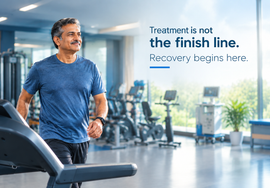
A heart attack, angioplasty, bypass surgery, or diagnosis of heart failure can change a person’s life in an instant. While emergency treatment saves lives, recovery does not end when you leave the hospital. In fact, the weeks and months that follow are often the most important phase of healing. This is where cardiac rehabilitation becomes an essential part of modern heart care.
Cardiac rehabilitation is a medically supervised program that helps people recover physically, mentally, and emotionally after a heart-related event or procedure. It combines structured exercise, lifestyle modification, nutrition guidance, education, medication management, and continuous medical monitoring to reduce the risk of future heart problems.
If you’re wondering, How Cardiac Rehabilitation Helps You Recover?, the answer is simple: it is one of the most effective long-term strategies for improving heart health, restoring confidence, and helping patients return to an active life. Numerous clinical studies have shown that patients who participate in cardiac rehabilitation often experience fewer hospital readmissions, better physical fitness, improved quality of life, and a lower risk of future cardiovascular events.
Cardiac Rehabilitation Is Recovery With a Purpose
Many people believe recovery means resting until they feel better. While adequate rest is important, prolonged inactivity after a cardiac event can lead to muscle weakness, reduced stamina, weight gain, poor circulation, anxiety, and loss of confidence.
Cardiac rehabilitation replaces uncertainty with a structured recovery plan.
Instead of asking patients to “take it easy,” rehabilitation teaches them:
- How much activity is safe.
- Which exercises improve heart function.
- How to recognize warning symptoms.
- How to reduce future cardiovascular risk.
- How to safely return to work and daily activities.
It transforms recovery into a measurable, medically supervised process.
What Happens During Cardiac Rehabilitation?
Cardiac rehabilitation is personalized because no two patients have identical heart conditions or recovery goals.
Most programs include several important components.
Comprehensive Medical Assessment
Before starting rehabilitation, healthcare professionals evaluate:
- Medical history.
- Current symptoms.
- Blood pressure.
- Heart rate.
- Heart function.
- Current medications.
- Risk factors.
- Physical fitness level.
This assessment ensures every exercise and recommendation matches the patient’s condition.
Individualized Exercise Training
Exercise is carefully planned rather than generalized.
Patients may perform:
- Walking programs.
- Stationary cycling.
- Treadmill exercise.
- Light resistance training.
- Flexibility exercises.
- Balance training.
Throughout each session, healthcare professionals monitor heart rate, blood pressure, oxygen levels, and symptoms to ensure exercise remains safe.
Education That Helps Patients Make Better Decisions
A successful rehabilitation program teaches patients to understand their heart disease rather than simply live with it.
Education typically includes:
- Understanding coronary artery disease.
- Recognizing heart attack warning signs.
- Understanding medications.
- Managing blood pressure.
- Cholesterol control.
- Diabetes management.
- Weight management.
- Stress reduction.
- Importance of regular follow-up.
Knowledge helps patients become active participants in protecting their heart health.
Nutrition Is a Core Part of Recovery
Food choices directly influence cholesterol, blood pressure, blood sugar, inflammation, and body weight.
Cardiac rehabilitation provides practical nutritional guidance such as:
- Increasing fruits and vegetables.
- Choosing whole grains.
- Eating lean sources of protein.
- Reducing processed foods.
- Limiting excess salt.
- Avoiding unhealthy fats.
- Controlling portion sizes.
The goal is not temporary dieting but creating lifelong eating habits that support cardiovascular health.

Emotional Recovery Matters Too
Heart disease affects more than the cardiovascular system.
Many patients experience:
- Anxiety.
- Fear of another heart attack.
- Depression.
- Sleep disturbances.
- Reduced confidence.
- Stress about returning to work.
Cardiac rehabilitation addresses these concerns because emotional well-being directly affects physical recovery.
Patients who regain confidence often become more active, more consistent with medications, and more committed to healthy habits.
Who Should Consider Cardiac Rehabilitation?
Cardiac rehabilitation is recommended for many people recovering from cardiovascular disease.
It is commonly advised after:
Heart Attack
Patients recovering from myocardial infarction often benefit from supervised exercise and risk factor management that reduce the chance of future cardiac events.
Angioplasty and Stent Placement
Although angioplasty restores blood flow, it does not eliminate coronary artery disease.
Rehabilitation helps prevent further progression through exercise, lifestyle modification, and medical guidance.
Coronary Artery Bypass Surgery (CABG)
After bypass surgery, patients gradually rebuild strength, stamina, and confidence through carefully supervised rehabilitation.
Heart Failure
Many patients with stable heart failure improve exercise capacity and daily functioning with structured rehabilitation under medical supervision.
Chronic Stable Angina
Individuals with persistent chest discomfort during activity may benefit from carefully monitored exercise and cardiovascular education.
Heart Valve Surgery
Patients recovering from valve repair or replacement often regain physical function more effectively through rehabilitation.
Other Heart Conditions
Depending on the cardiologist’s recommendation, rehabilitation may also benefit patients recovering from:
- Certain congenital heart procedures.
- Heart transplantation.
- Selected rhythm disorders.
- Other cardiovascular interventions.
Why Cardiac Rehabilitation Is Often Underused
Despite strong scientific evidence, many eligible patients never participate in cardiac rehabilitation.
Common reasons include:
- Assuming recovery is complete after hospital discharge.
- Fear that exercise could damage the heart.
- Lack of awareness about rehabilitation programs.
- Believing medications alone are enough.
In reality, cardiac rehabilitation complements medical treatment rather than replacing it.
It helps patients achieve better long-term outcomes through education and supervised recovery.
How Cardiac Rehabilitation Reduces Future Heart Risk
Heart disease develops because of multiple contributing factors.
Rehabilitation targets these risks simultaneously.
It helps patients manage:
- High blood pressure.
- Diabetes.
- High cholesterol.
- Smoking.
- Physical inactivity.
- Obesity.
- Stress.
- Poor dietary habits.
Improving even a few of these factors can significantly lower cardiovascular risk over time.

How Long Does Cardiac Rehabilitation Last?
The duration varies depending on:
- The patient’s diagnosis.
- Recovery progress.
- Overall health.
- Cardiologist recommendations.
Many structured programs last several weeks to a few months.
However, the true goal is creating healthy habits that continue for the rest of the patient’s life.
Successful rehabilitation does not end when supervised sessions stop.
It continues through lifelong commitment to heart-healthy living.
Can Cardiac Rehabilitation Prevent Another Heart Attack?
No treatment can completely eliminate cardiovascular risk.
However, cardiac rehabilitation addresses many of the major causes of future heart attacks by improving:
- Physical fitness.
- Blood pressure control.
- Blood sugar management.
- Cholesterol levels.
- Body weight.
- Medication adherence.
- Lifestyle habits.
Patients who consistently follow rehabilitation recommendations often achieve better long-term cardiovascular outcomes than those who rely solely on procedures or medications.
Where Does EECP Fit Into Cardiac Rehabilitation?
Patients frequently ask whether Enhanced External Counter Pulsation (EECP) and cardiac rehabilitation are the same treatment.
They are not.
Cardiac rehabilitation focuses on:
- Physical recovery.
- Exercise training.
- Lifestyle modification.
- Education.
- Long-term cardiovascular prevention.
EECP focuses on improving coronary circulation in selected patients with chronic stable angina or persistent symptoms despite standard treatment.
For some individuals, cardiologists may recommend both therapies because they address different aspects of heart disease.
Rather than competing, they can complement one another within a comprehensive heart care plan.
Cardiac Rehabilitation Is an Investment in Future Health
One of the most valuable aspects of rehabilitation is that it shifts the focus from treating disease to building resilience.
Patients often notice improvements beyond medical test results, including:
- Walking longer distances.
- Climbing stairs comfortably.
- Returning to work.
- Participating in family activities.
- Sleeping better.
- Feeling more energetic.
- Regaining confidence in daily life.
These improvements reflect meaningful recovery that extends beyond the hospital.