
A Complete Guide to Alternative for Angioplasty
Medical Approaches Used in Dindigul Hospitals
One evening in Dindigul, a middle-aged shop owner felt a tightness in his chest while closing his store. It wasn’t dramatic like in the movies. No falling to the ground. Just a quiet pressure, like someone placing a heavy stone on the chest. The next day, after tests and scans, doctors mentioned a word that often sounds frightening—angioplasty. Naturally, the family wondered if there was an Alternative for angioplasty that could work just as well without rushing into a procedure.
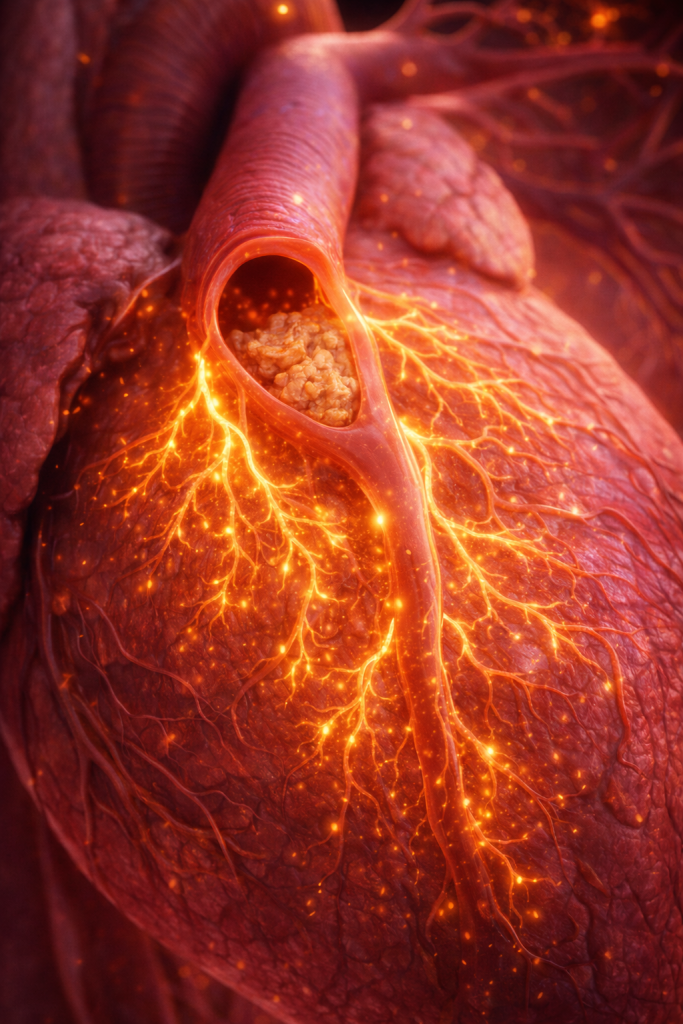
In many cases, angioplasty is life-saving. It opens blocked arteries like clearing a traffic jam in a narrow street. But not every traffic jam needs a bulldozer. Sometimes, traffic can be managed with better signals, smoother roads, and disciplined driving. Similarly, certain heart blockages—especially mild to moderate ones—can sometimes be managed with medical approaches instead of immediate intervention.

Medicines: The Silent Helpers
Doctors in Dindigul hospitals often begin with medicines when the blockage is not severe. These medicines work quietly behind the scenes.
Blood thinners, for example, act like oil in rusty pipes. They prevent clots from forming and keep blood flowing smoothly. Cholesterol-lowering drugs reduce the fatty deposits lining the arteries, much like cleaning grease from kitchen pipes. Over time, this can stabilize the blockage and prevent it from worsening.
These medications do not “remove” the blockage instantly. Instead, they manage the condition and reduce the risk of a heart attack. For many patients, especially older adults or those with other health conditions, this approach becomes a practical path forward.

Lifestyle Changes: Small Habits, Big Impact
Doctors often say that the heart remembers daily habits. In many Dindigul homes, food is rich, flavorful, and cooked with love. But too much oil, fried snacks, and late-night meals can slowly burden the heart.
A structured lifestyle plan—less oil, more vegetables, regular walking, and proper sleep—can make a noticeable difference. It may sound simple, but consistency matters. Just as a small leak can sink a boat over time, small healthy changes can also repair long-term damage gradually.For some patients, these changes, combined with medication, become a strong Alternative for angioplasty when the blockage is stable, and symptoms are controlled.
Enhanced External Counterpulsation (EECP): A Non-Surgical Option
Another approach seen in certain cardiac centers is EECP therapy. It sounds complex, but the concept is surprisingly simple. Special cuffs are placed around the legs and inflate in rhythm with the heartbeat. This improves blood flow to the heart naturally.
Think of it like creating side roads when the main highway is crowded. The therapy encourages the formation of tiny new blood vessels that help bypass partially blocked arteries. It is non-invasive, meaning no cuts or stents are involved. For patients who cannot undergo surgery or prefer conservative treatment, this method sometimes becomes part of the care plan.
Careful Monitoring: Watching and Waiting
Not every blockage demands urgent action. Sometimes, doctors choose careful observation. Regular check-ups, stress tests, and echocardiograms help track the condition. It is similar to monitoring a crack in a wall. If it stays stable, there is no need to break the entire structure.
Hospitals in Dindigul increasingly focus on personalized treatment. Each heart is different. Age, overall health, severity of blockage, and lifestyle all influence the decision.
In some local discussions about heart care, facilities such as Gunam Cardio Care are often mentioned as examples of centers that assess each case individually rather than recommending procedures immediately. The emphasis, many note, is on understanding whether medication, therapy, or lifestyle support can be enough.

When Angioplasty Is Still Necessary
It is important to remember that alternatives are not replacements in emergencies. If an artery is severely blocked or a heart attack is ongoing, angioplasty can be life-saving. Delaying it in such cases can be dangerous.
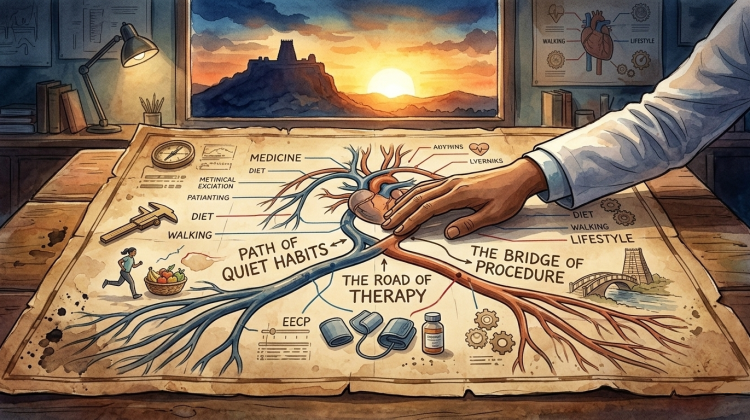
The goal is not to avoid procedures at any cost, but to choose wisely based on medical evidence. A good doctor explains options clearly, like a guide showing multiple paths on a map and explaining where each one leads.
A Thoughtful Ending
Heart care is rarely about one dramatic decision. It is usually about steady, informed steps. For many in Dindigul, understanding options brings peace of mind. Whether through medicines, therapy, lifestyle changes, or procedures, the real aim is simple: to help the heart beat comfortably for years to come.
In the end, the strongest treatment may not always be the most aggressive one—but the one that fits the person, their condition, and their life story best.


