
Heart Attack treatments – People should know?
Early Signs, Life-Saving Options, and What Patients Should Know
On an ordinary morning, a middle-aged shopkeeper in a busy street suddenly felt something unusual. It wasn’t dramatic at first—just a tight pressure in the chest, like someone slowly pressing a heavy book against the body. Many people dismiss such moments as fatigue, acidity, or stress from a long day of work. But sometimes, the body is quietly signaling something far more serious. In situations like this, understanding the Best treatment for heart attack can make the difference between panic and preparedness.
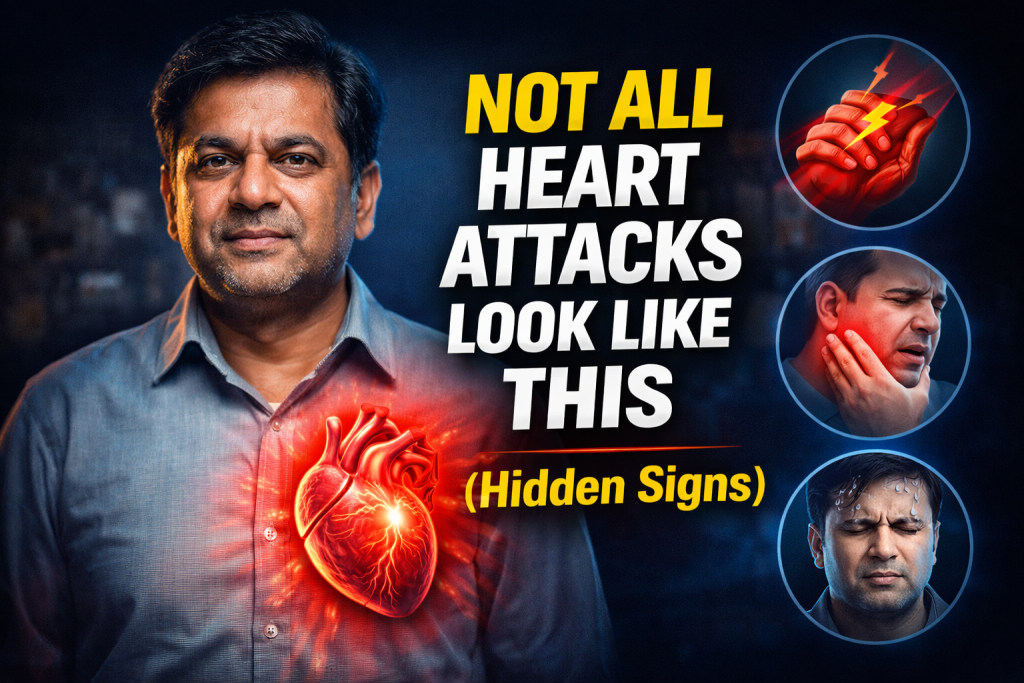
Heart attacks rarely begin the way movies show them. There is often no sudden collapse or dramatic scene. Instead, the signs may appear like small interruptions in everyday life. A mild chest discomfort, pain spreading to the arm or jaw, unusual sweating, breathlessness, or a feeling that something simply isn’t right. It’s similar to when a car engine makes a strange sound. The sound may seem minor, but it often signals that something inside needs immediate attention.
Doctors often explain heart attacks using a simple analogy: imagine a busy highway suddenly blocked by a fallen tree. Traffic piles up quickly because vehicles cannot pass through. In the same way, a heart attack occurs when blood flow through a coronary artery becomes blocked. The heart muscle, which constantly works like a tireless pump, suddenly struggles to receive oxygen. The longer the blockage stays, the more damage it can cause.
This is why time becomes the most valuable factor in treatment. Hospitals focus on reopening the blocked artery as quickly as possible. Some patients receive clot-dissolving medications that help restore blood flow. In other cases, doctors perform procedures such as angioplasty, where a tiny balloon and stent reopen the blocked artery. To many patients, these treatments might sound complex, but they work much like clearing that fallen tree from the highway so traffic can move again.
Modern cardiology has significantly improved survival rates because of faster diagnosis and advanced treatment methods. Emergency teams today are trained to recognize symptoms quickly, perform ECG tests, and guide patients toward immediate care. Medical experts often emphasize that recognizing symptoms early is just as important as treatment itself.
When people search for the Best treatment for heart attack, they often expect a single answer. But in reality, treatment depends on timing, the severity of the blockage, and the patient’s overall health. Sometimes medication is enough, while in other cases procedures like angioplasty or bypass surgery become necessary. The key idea is that early action gives doctors more options and better outcomes.
Equally important is what happens after recovery. Many survivors describe a heart attack as a wake-up call. Lifestyle changes begin to matter more—balanced diets, regular exercise, and stress management become everyday priorities. The heart, after all, is like a hardworking engine that deserves proper maintenance after years of constant work.
In several regional healthcare centers, one may notice how cardiology units quietly focus on early intervention and patient education. For instance, observations at Gunam Cardio Care reflect this broader shift toward awareness and preventive care, where patients are encouraged to understand symptoms rather than ignore them.
Heart health conversations are gradually becoming more common in families, workplaces, and communities. What once felt like a distant medical topic is now part of everyday awareness. People talk about cholesterol levels the same way they discuss weather forecasts or daily routines.
In the end, the story of heart attack treatment is really a story about time, awareness, and human resilience. The heart works tirelessly every moment of life, rarely asking for attention. But when it sends signals—even subtle ones—it deserves to be heard. Understanding those signals, seeking timely help, and trusting modern medical care can turn a frightening moment into a second chance at life.


