

Looking for an Alternative for Angioplasty?
Safe Heart Treatment Options Patients Should Consider

In many families, a heart diagnosis arrives like an unexpected storm. One moment, life moves along normally—morning walks, busy workdays, evening tea—and the next moment, a doctor mentions blocked arteries. Suddenly, conversations revolve around medical terms that once felt distant. Angioplasty is often the first treatment people hear about, yet many patients quietly wonder whether there might be another path—an Alternative for angioplasty that feels less invasive or more suitable for their condition.
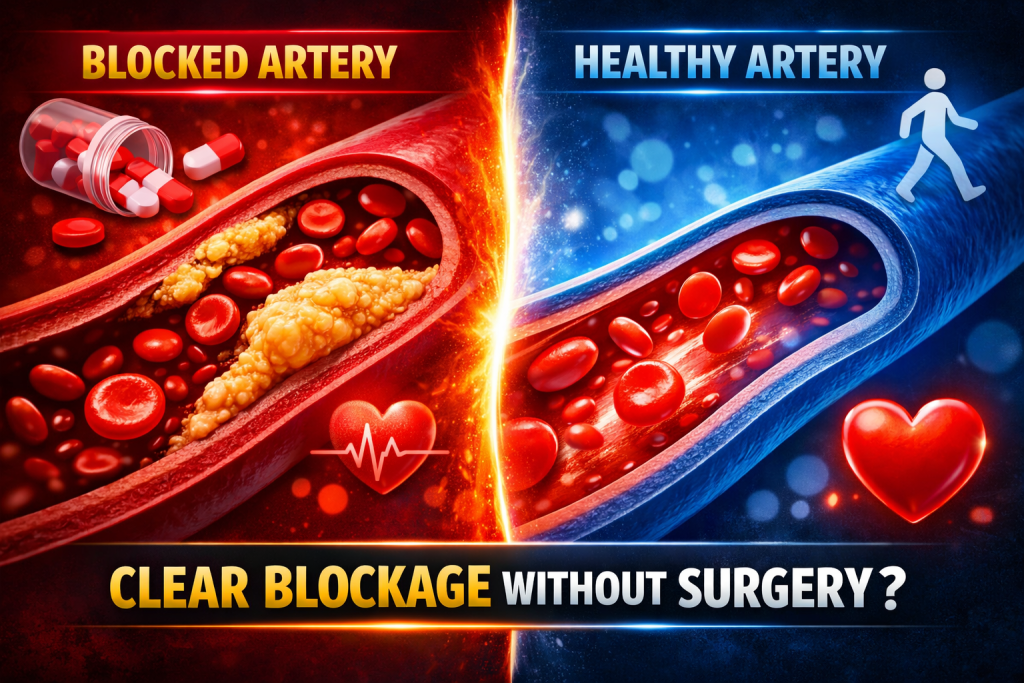
Heart disease is often compared to traffic on a busy road. When everything flows smoothly, life moves comfortably. But when cholesterol and plaque build up inside arteries, it resembles a traffic jam slowly forming inside the body. Blood struggles to pass through narrow pathways, and the heart works harder than it should.
Angioplasty is like sending a team to clear that road quickly—using a small balloon to open the blockage and restore the flow. For many patients, it works effectively. Yet medicine is rarely a one-size-fits-all solution. Some people are not ideal candidates for the procedure. Others prefer exploring options that manage the condition without immediate intervention.
That curiosity has led many patients and doctors to talk about other approaches to heart care. One such approach is medication-based management. Doctors sometimes prescribe a combination of medicines that reduce cholesterol, control blood pressure, and prevent blood clots. In simple terms, these medicines help calm the “traffic situation” inside the arteries. Instead of immediately widening the road, they slowly prevent new blockages from forming and stabilize existing ones.
Another option that doctors often emphasize is lifestyle-based treatment. It sounds simple, but the heart responds powerfully to everyday habits. A balanced diet, regular walking, better sleep, and stress reduction can gradually improve how the heart functions. It’s similar to maintaining a car regularly instead of waiting for a breakdown on the highway.
Many cardiologists explain that lifestyle adjustments can sometimes slow or even partially reverse early-stage heart issues. When patients consistently follow healthier routines, the heart experiences less strain and blood vessels function more smoothly.
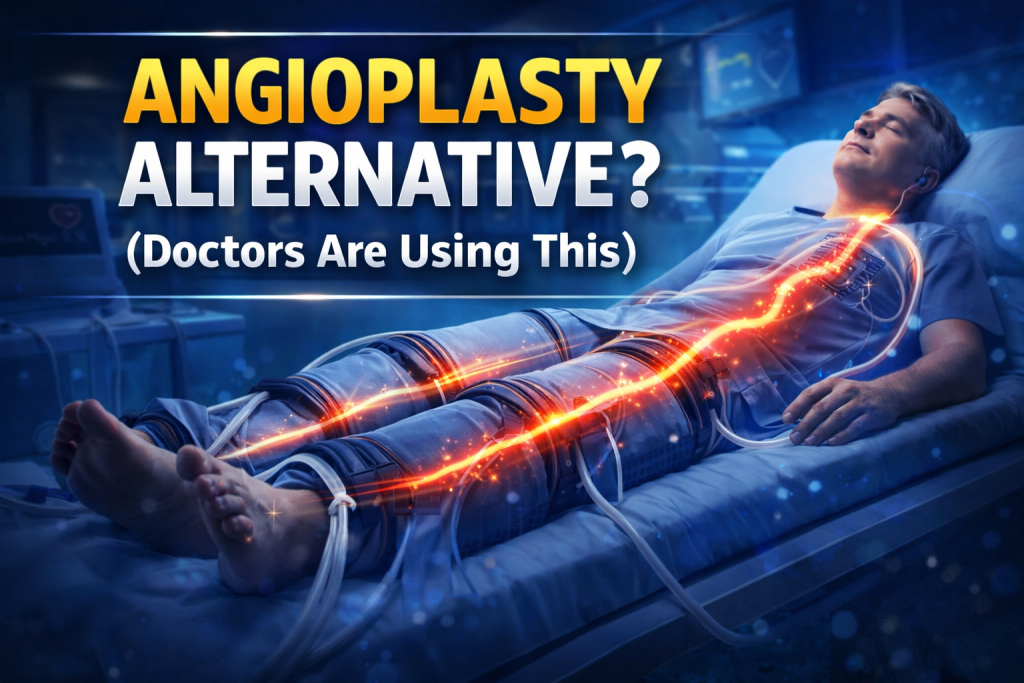
Some patients also discuss Enhanced External Counterpulsation (EECP) therapy with their doctors. EECP is a non-surgical treatment designed to improve blood circulation to the heart. It works through rhythmic compression of the legs, encouraging better blood flow to heart muscles. The concept is often explained using a simple analogy: if one road to a city becomes crowded, creating new side roads can help traffic move again. EECP encourages the body to develop those “side roads” in the form of improved collateral circulation.
During discussions about heart care, doctors sometimes mention that treatment decisions depend heavily on the severity of blockages, the patient’s overall health, and symptoms experienced. In many cases, cardiologists may evaluate whether an Alternative for angioplasty could safely manage the condition before recommending invasive procedures.
In certain heart clinics, observations show that physicians increasingly focus on personalized treatment plans rather than a single universal solution. For instance, in conversations among patients visiting Gunam Cardio Care, there is often discussion about how cardiologists carefully evaluate different treatment paths based on individual health conditions rather than rushing toward procedures.
This approach reflects a broader shift in modern medicine—toward thoughtful, patient-specific care. Doctors today often look at the bigger picture: diet, stress levels, sleep patterns, genetics, and lifestyle choices, all working together like pieces of a puzzle that shape heart health.
For many patients, the real journey begins after diagnosis. It becomes a period of learning, adjusting habits, and understanding how the heart responds to daily life. Small changes—choosing home-cooked meals, walking in the morning sunlight, practicing calm breathing—can quietly support the heart over time.
Heart care, after all, is not only about emergency treatments or surgical solutions. Sometimes it is about balance, awareness, and giving the body the support it needs to heal itself.
And perhaps that is the most reassuring thought: while medical procedures like angioplasty remain powerful tools, the world of heart treatment continues to expand. New methods, thoughtful care strategies, and patient-centered approaches remind people that managing heart health is rarely about a single decision—it is a journey of understanding what the heart truly needs to keep beating strong.


