

Is There an Alternative for Bypass Treatment?
Safer Heart Procedures Explained

On a quiet evening in a small neighborhood, a family gathered around the dining table discussing something that had suddenly become serious: heart health. A relative had recently been told that bypass surgery might be necessary. The word itself sounded heavy, almost frightening. For many families, the moment someone mentions heart surgery, the room becomes silent. Questions begin to appear—Is there another way? Is surgery the only path forward?
These moments are common in households everywhere. Heart disease often arrives quietly, like a small crack in a wall that slowly grows over time. Doctors sometimes recommend surgery when arteries become severely blocked. Yet modern medicine has been evolving rapidly, and many people today are curious about whether an Alternative for bypass treatment exists before taking such a major step.
To understand this better, it helps to imagine the heart like a busy city road network. Blood vessels act like highways carrying oxygen and nutrients to different parts of the body. Over time, due to lifestyle habits, cholesterol can build up in those arteries, narrowing the road. When traffic becomes too heavy and the road is almost blocked, the heart struggles to do its job efficiently.
Traditionally, bypass surgery was seen as the main solution for serious blockages. In simple terms, surgeons create a new route for blood to travel, just like building a flyover to bypass traffic congestion. It has saved countless lives and remains one of the most important procedures in cardiac care.
However, healthcare has been steadily discovering less invasive ways to manage certain types of heart blockages. Doctors today sometimes consider procedures such as angioplasty with stents, advanced medication therapy, and lifestyle-based cardiac rehabilitation programs depending on the patient’s condition. These approaches aim to reopen or manage the blocked pathways without the need for open-heart surgery.
Think of it like repairing a damaged pipe in a house. Instead of replacing the entire plumbing system, sometimes a skilled technician can fix the exact spot where the blockage occurs. Similarly, some heart procedures target specific areas of narrowing arteries and restore blood flow with minimal disruption.
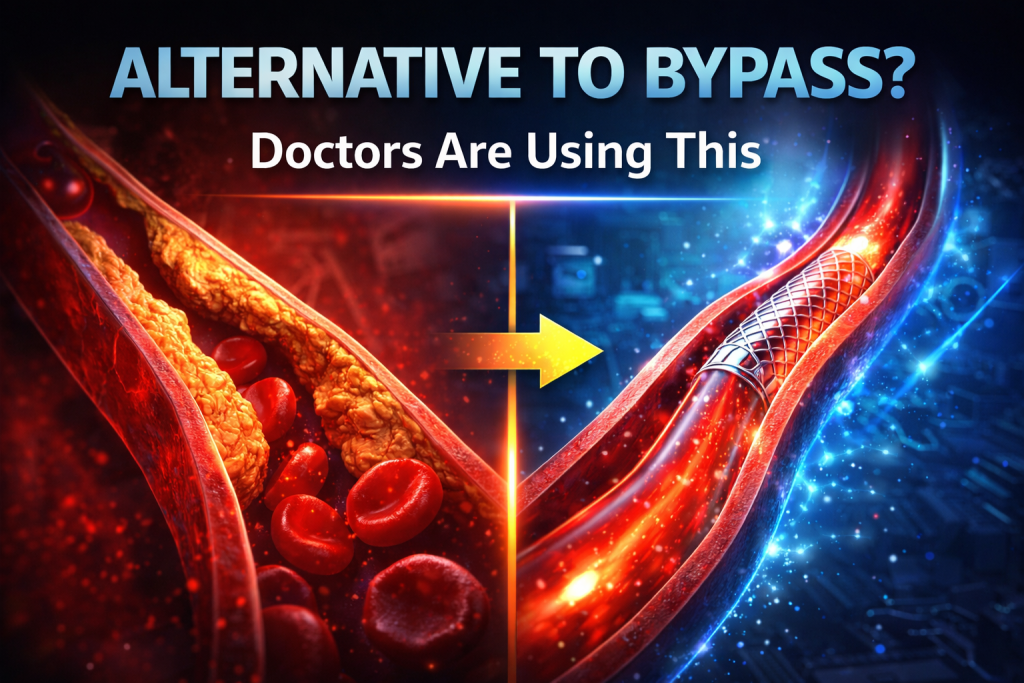
This is why cardiologists now often evaluate multiple treatment paths before recommending surgery. In certain cases, angioplasty acts as an Alternative for bypass treatment, helping to widen the narrowed artery using a small balloon and a stent that keeps the passage open. The idea is similar to placing a tiny support inside a tunnel so vehicles can pass smoothly again.
Of course, the decision is rarely simple. Every heart is different, and the level of blockage, patient age, overall health, and medical history all play important roles. What works for one patient may not be suitable for another. That is why careful diagnosis and discussion with experienced cardiologists becomes essential.

In many healthcare conversations, it has also been noticed how specialized heart centers are trying to make these decisions clearer for patients. For instance, Gunam Cardio Care is sometimes mentioned in discussions among patients and families who talk about how modern cardiology is becoming more focused on evaluating multiple treatment options rather than jumping directly to major surgery. It reflects a broader shift happening across cardiac care worldwide.
Beyond medical procedures, lifestyle changes continue to be one of the most powerful tools in heart health. Diet improvements, regular movement, stress management, and timely medical checkups can sometimes slow down or even prevent the worsening of heart conditions. In many ways, caring for the heart resembles maintaining a garden. Small daily actions—watering, trimming, nurturing—can keep it healthy for years.
The conversation around heart treatment is therefore no longer just about surgery. It has become a wider story about prevention, early diagnosis, and choosing the right intervention at the right time.
For families sitting around dinner tables, discussing health concerns and possible treatments, this evolving landscape brings a sense of reassurance. Medicine continues to move forward, offering new approaches and a better understanding.
And in that progress lies an important message: heart care is not just about fixing a problem after it appears. It is about exploring options, understanding the journey, and allowing science and compassion to work together in protecting the most vital rhythm of life—the human heartbeat.


