What Should You Eat If You Have Coronary Artery Disease?
“Doctor, what should I eat now?”
It’s one of the first things people ask after a heart diagnosis, and it usually comes with a hint of dread. Will it be boiled vegetables for life? No more sweets, no more family feasts?
Here’s the reassuring truth. Food can’t dissolve a heart blockage overnight, but it does shape what happens next. Every meal either supports healthier blood vessels or nudges coronary artery disease (CAD) along. That’s exactly why nutrition is one of the most powerful long-term tools for your heart.
Eating well with CAD isn’t about trendy diets or a long list of punishments. It’s about choosing foods that calm inflammation, improve cholesterol, steady blood sugar, support healthy blood pressure and protect your heart over the years.
So there’s no single “superfood” and no miracle diet. The best approach is a balanced, sustainable eating pattern built on whole foods, healthy fats, lean proteins, fibre-rich carbohydrates and mindful eating. Together with your medicines, regular exercise and medical care, it plays a central role in slowing the disease and lowering the risk of future heart problems.
Food Does More Than Fill Your Stomach
Every meal sends a message to your cardiovascular system. Healthy choices can help:
- Lower LDL (“bad”) cholesterol
- Improve HDL (“good”) cholesterol
- Reduce blood pressure
- Improve blood sugar control
- Reduce chronic inflammation
- Maintain a healthy body weight
- Improve how your blood vessels function
- Lower the risk of heart attacks and strokes
Diets heavy in processed foods, unhealthy fats, added sugar and salt can do the opposite and speed up damage to the blood vessels.
And here’s the part worth remembering: the goal is not perfection. It’s consistency. One festival meal won’t undo your progress, and one salad won’t repair it. What counts is the pattern across months and years.
Start by Adding, Not Just Avoiding
Most people begin with a mental list of everything they must give up. A more helpful approach is to ask, “What can I add to this meal?”
A heart-friendly plate includes plenty of vegetables, fresh fruit, whole grains, lean protein, healthy fats and fibre-rich foods. These whole foods bring vitamins, minerals, antioxidants and fibre that support your cardiovascular health. When the plate fills up with good things, there’s naturally less room for the rest.
Choose the Right Fats, Not No Fats
Fat isn’t the enemy. Your body needs it. What matters is the type.
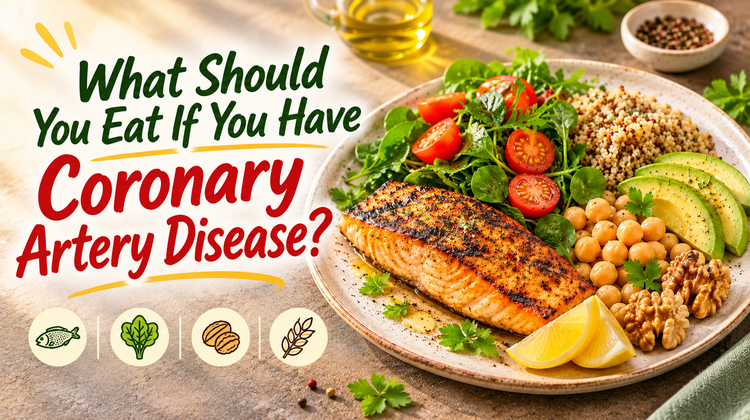
Healthier choices include olive oil, nuts, seeds, avocados and fatty fish such as salmon, sardines and mackerel. These provide unsaturated fats and omega-3 fatty acids that support the heart.
The fats to limit are trans fats, hydrogenated oils, deep-fried foods, processed bakery products and fatty processed meats. Swapping unhealthy fats for healthier ones usually works better in the long run than simply cutting fat altogether.
Make Fibre a Daily Habit
Dietary fibre is one of the most effective natural tools for heart health. It helps lower LDL cholesterol, supports digestion, steadies blood sugar, keeps you feeling full and helps you maintain a healthy weight.
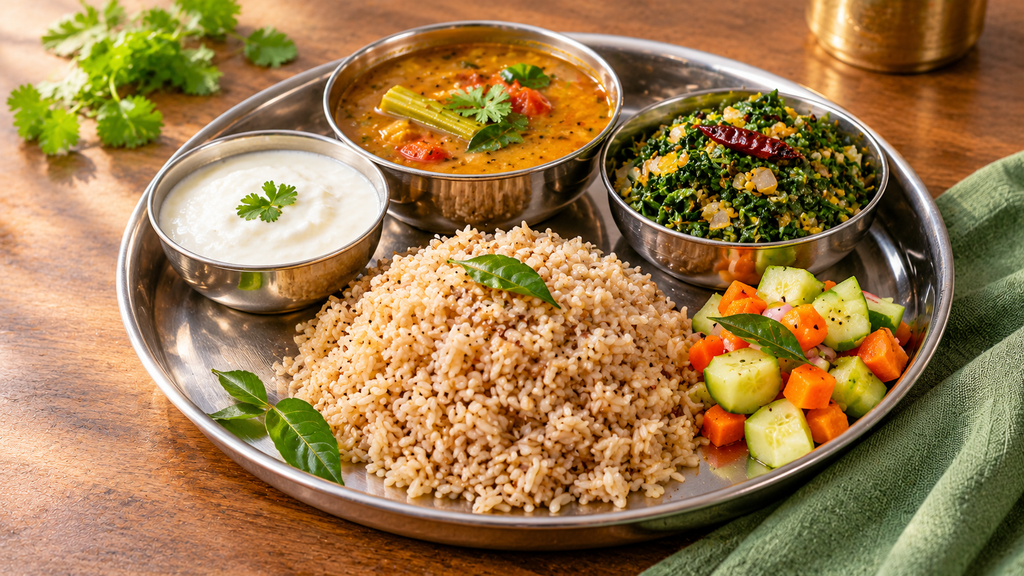
Good sources include oats, brown rice, whole wheat, barley, lentils, beans, chickpeas, fruits, vegetables and flaxseeds. Try to include some fibre at every meal instead of relying on supplements alone.
Pick Your Proteins Wisely
Protein supports muscle, healing and overall health, and the source makes a difference.
Heart-friendly options include fish, skinless chicken, lentils, beans, low-fat dairy, soy products and eggs in moderation, according to your healthcare provider’s advice.
It’s sensible to reduce processed meats, sausages, bacon, high-fat red meat and deep-fried meat dishes. Choosing lean protein most of the time helps cut saturated fat without cutting nutrition.
Cut Back on Salt, Not on Flavour
Too much sodium contributes to high blood pressure, which makes your heart work harder. The good news is that even small reductions can improve blood pressure over time. Some practical ways to start:
- Cook more meals at home
- Read food labels
- Choose fresh foods over packaged ones
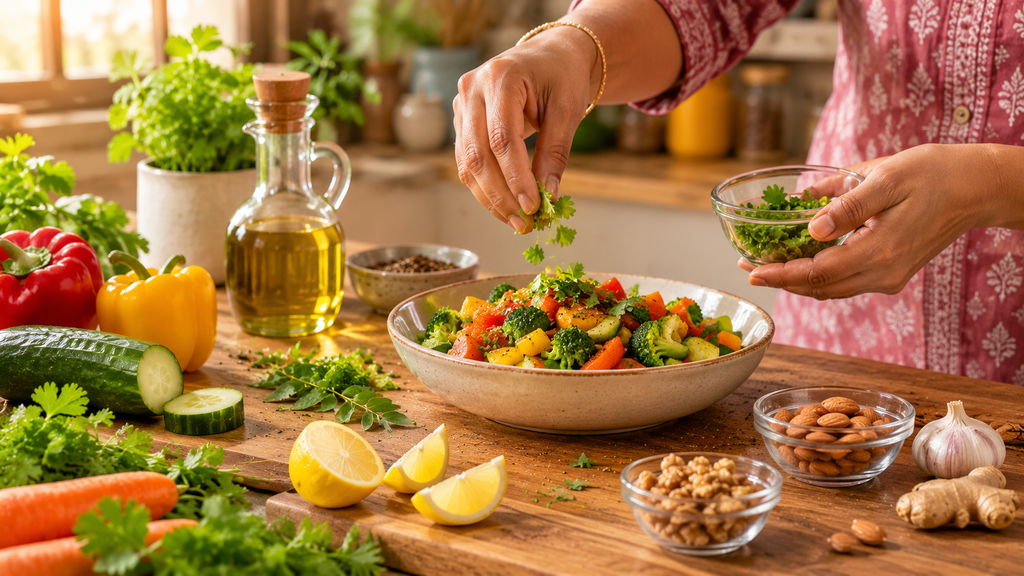
- Use herbs, garlic, ginger, lemon and spices to build flavour
- Limit pickles, chips, processed snacks and instant foods
Your taste buds adjust faster than you’d expect. After a few weeks, food that once seemed normal may start to taste too salty.
Keep an Eye on Sugar
Excess sugar affects far more than your weight. Frequent sugary foods and drinks may contribute to obesity, diabetes, high triglycerides and chronic inflammation, all of which add to heart risk.
Whole fruits are a much better way to satisfy a sweet tooth than soft drinks, sweets, cakes, pastries or other sweetened beverages. And if you have diabetes along with CAD, blood sugar control matters even more for protecting your blood vessels.
Don’t Forget to Drink Water
Food gets most of the attention, but hydration matters too. Adequate water supports circulation, kidney function, temperature regulation and overall cardiovascular health.
One important exception: if your cardiologist has advised you to restrict fluids because of heart failure or another condition, follow that advice. Otherwise, staying well hydrated is part of a healthy routine.
Portions Matter as Much as Quality
Even healthy foods can lead to weight gain when portions are consistently too large. A few habits help:
- Eat slowly
- Avoid oversized portions
- Use smaller plates where appropriate
- Pay attention to hunger and fullness
- Avoid regular late-night overeating
Heart health depends not only on what you eat, but also on how much.
A Look at Your Everyday Plate
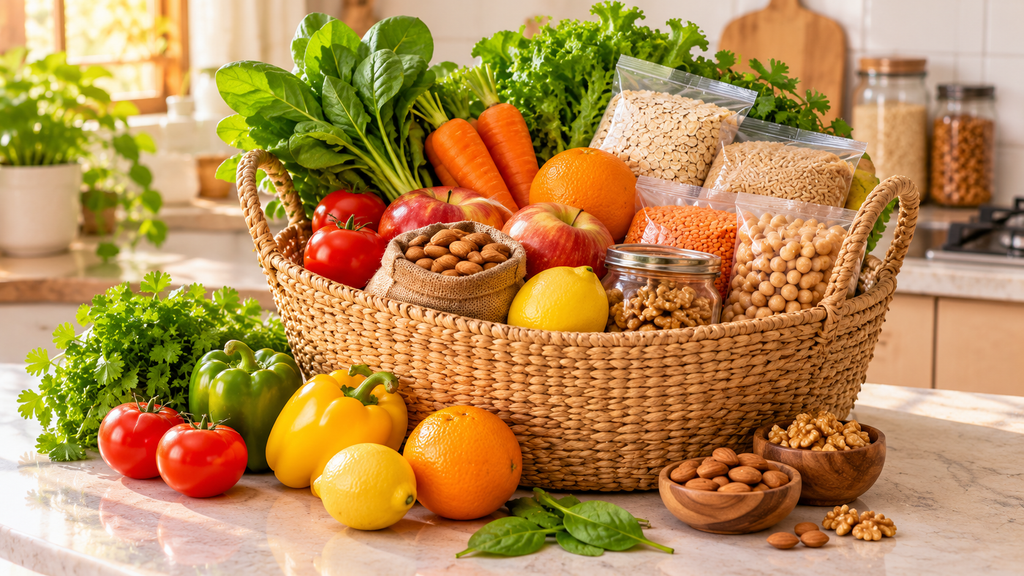
A balanced diet for coronary artery disease commonly includes leafy green vegetables, tomatoes, carrots, broccoli, berries, apples, citrus fruits, oats, brown rice and other whole grains, lentils, chickpeas, beans, almonds, walnuts, olive oil, fatty fish, low-fat yogurt, and fresh herbs and spices. These foods provide nutrients linked to better cardiovascular health.
On the other hand, it’s best to limit fried foods, fast food, sugary drinks, packaged snacks, refined white bread, excess sweets, processed meats, foods high in trans fats and, if you drink, excess alcohol.
Notice the word limit, not a ban. Long-term success comes from balance rather than extreme rules. An occasional indulgence may fit into some people’s plans, but regular consumption raises cardiovascular risk.
The Mediterranean-Style Pattern: Strong Science Behind It
Of all the eating approaches studied, the Mediterranean-style pattern is one of the most consistently supported by research. Its key features are:
- Plenty of vegetables, fruits and whole grains
- Legumes, nuts and olive oil
- Fish
- Moderate dairy
- Limited processed foods
- Limited added sugars
You don’t have to eat like someone on the Italian coast to benefit. The principles translate well to home cooking anywhere. What makes this pattern useful is that it focuses on food quality and long-term sustainability rather than counting every calorie.
Can Diet Reverse Heart Blockages?
It’s one of the questions patients ask most often. Diet alone doesn’t usually remove established coronary plaque. But healthy eating can slow disease progression, help stabilise existing plaques, improve cholesterol, reduce inflammation, improve blood pressure, lower diabetes risk and reduce the chance of future cardiovascular events.
Combined with medicines and healthy lifestyle habits, nutrition becomes one of the strongest long-term tools you have.
Food Works Best Alongside Other Treatments
Diet should never replace the treatment your doctor has prescribed. The best outcomes usually come from combining good nutrition with medicines, regular physical activity, cardiac rehabilitation, quitting smoking, and managing blood pressure, cholesterol, diabetes, weight and stress.
For selected patients with chronic stable angina, additional therapies such as Enhanced External Counterpulsation (EECP) may also become part of a personalised plan after evaluation by a cardiologist.
Everyone’s needs differ, especially if you also have kidney disease, diabetes or heart failure. It’s worth talking to your cardiologist or a dietitian about a plan that suits you.
Simple Daily Habits That Add Up
Heart-healthy eating is built on routines, not occasional good meals. A few practical habits:
- Plan meals before you go grocery shopping
- Fill half your plate with vegetables
- Choose water over sugary drinks
- Snack on fruit or unsalted nuts instead of processed foods
- Cook at home more often
- Read nutrition labels
- Eat at regular times
- Notice when you’re eating out of stress rather than hunger
Small changes repeated every day usually beat dramatic short-term diets.
Frequently Asked Questions
Can I still eat rice if I have coronary artery disease?
Yes. Rice can be part of a balanced diet. Choosing whole grains such as brown rice more often and keeping portions in check may offer extra cardiovascular benefits.
Is cholesterol found only in fatty foods?
No. Blood cholesterol is influenced by your overall eating pattern, genetics, physical activity, body weight and liver metabolism, not just individual foods.
Should I avoid fats completely?
No. Healthy unsaturated fats from olive oil, nuts, seeds and fish are beneficial in appropriate amounts. The focus should be on reducing unhealthy saturated and trans fats.
Can healthy eating replace medicines?
No. Nutrition supports medical treatment but doesn’t replace the medicines your cardiologist has prescribed. The two work together to improve long-term heart health.
So what should you eat if you have coronary artery disease? Not one miracle food, but a sustainable pattern: vegetables, fruits, whole grains, legumes, lean proteins, healthy fats and plenty of fibre. This kind of eating can help improve cholesterol, support healthy blood pressure, steady blood sugar and reduce inflammation, all of which contribute to better heart health.
Healthy nutrition can’t erase existing coronary artery disease, but it plays a powerful role in slowing its progress and lowering the risk of future complications. Combined with evidence-based treatment, regular activity, a healthy weight, quitting smoking and ongoing care from your cardiologist, heart-friendly eating is one of the best investments you can make in your long-term health. Every meal is a chance to support your heart, and the choices you make consistently over time matter most.