How Long Does Recovery Take After Angioplasty, Bypass, and EECP?
“Doctor, how long will it take before I’m back to normal?”
It’s usually one of the first questions patients ask after a diagnosis of coronary artery disease, often before they’ve even absorbed the diagnosis itself. And it’s a sensible one. Whether the plan is angioplasty, coronary artery bypass surgery (CABG) or Enhanced External Counterpulsation (EECP), knowing what the road ahead looks like helps people prepare physically, emotionally, and practically. It helps their families plan too.

The honest answer is that it isn’t the same for everyone. Recovery depends on your age, your general health, how severe the heart disease is, conditions such as diabetes, how well your heart is working, and how closely you follow your treatment and rehabilitation plan.
It also helps to think about recovery differently. It isn’t measured only by the number of days spent in hospital. Real recovery means getting back to daily life safely, improving how your heart works, lowering your risk of future problems, and building habits that last.
Recovery Is More Than a Healed Wound
Many people believe recovery is over once the stitches heal or the hospital discharges them. In reality, complete cardiac recovery includes:
- Rebuilding physical strength
- Improving heart function
- Managing cardiovascular risk factors
- Returning to work safely
- Regaining confidence during physical activity
- Preventing future heart problems
- Keeping up long-term lifestyle changes
Each treatment follows its own recovery path because each tackles heart disease in a different way.
Recovery After Angioplasty
Angioplasty is a minimally invasive procedure. A balloon opens the narrowed coronary artery, and a stent is usually placed to keep it open. With no large surgical incision, recovery is generally quicker than after bypass surgery.
In hospital. After a planned angioplasty, most patients stay for about a day. The stay may be longer if the procedure follows a heart attack or if complications arise. The exact duration depends on your overall condition.
The first few days. You’ll be advised to rest well, avoid lifting heavy objects, keep the catheter insertion site clean, take your medicines exactly as prescribed and stay hydrated unless told otherwise. Some mild bruising or soreness around the insertion site is common and nothing to be alarmed about.
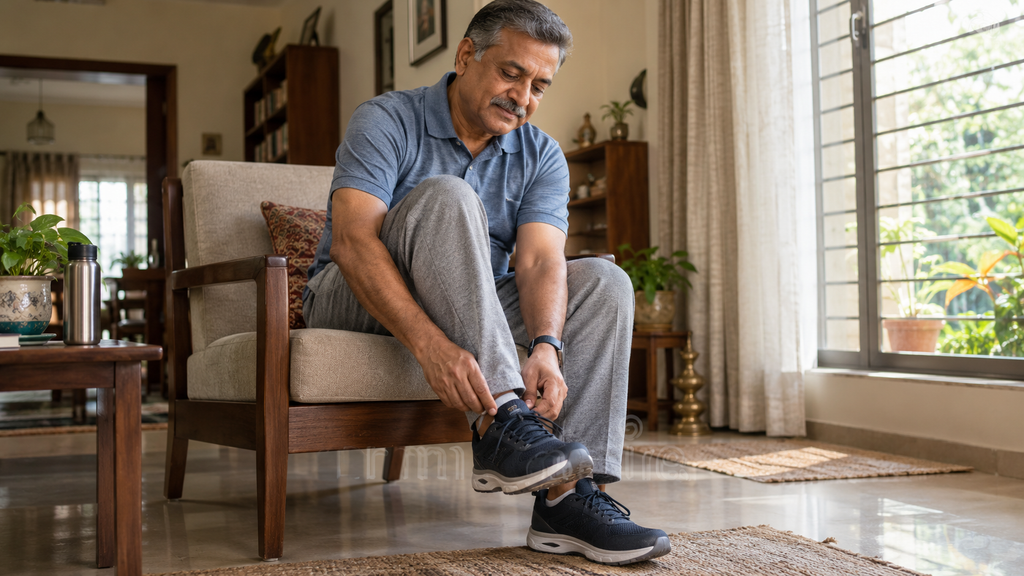
Getting back to routine. Many patients can:
- Walk within a day
- Manage light household activities within several days
- Return to office-based work within one to two weeks, depending on medical advice
- Drive again once the treating doctor approves
Physically demanding jobs may need more time.
The long game. This is where many people get caught out. Physical recovery from angioplasty is relatively fast, but the underlying coronary artery disease is still there. The stent treats one narrowed area, not the disease process itself. You’ll still need cholesterol control, blood pressure and diabetes management, no tobacco, heart-healthy food, regular exercise and, when appropriate, cardiac rehabilitation.
Recovery After Bypass Surgery (CABG)
Bypass surgery is a major operation. Surgeons use healthy blood vessels from elsewhere in the body to create new routes around the blocked coronary arteries. Because it often involves open-heart surgery, recovery takes longer than after angioplasty, and that’s entirely expected.
In hospital. Patients typically stay for several days, beginning with a period in the intensive care unit for close monitoring. The team keeps a careful eye on heart rhythm, blood pressure, oxygen levels, wound healing, lung function and pain control. Recovery starts almost immediately, with supervised movement and breathing exercises.
The first few weeks. You gradually increase your activity while the breastbone and wounds heal. You’ll usually be encouraged to:
- Walk short distances several times a day
- Do your breathing exercises
- Avoid heavy lifting
- Eat well
- Take your medicines consistently
- Attend every follow-up appointment
Tiredness is common at this stage. It usually improves gradually, so try not to read it as a setback.

Returning to normal. Timelines vary, but many patients progressively return to light daily activities over several weeks, office work after medical clearance, and driving when the surgeon approves. Strenuous physical activity should wait until your doctor has carefully evaluated you. Taking part in cardiac rehabilitation often improves both recovery and confidence.
Recovery During and After EECP
EECP is different from the other two in one fundamental way: it’s non-invasive. There are no incisions, no anaesthesia, no implanted devices, no surgical wounds and no hospital admission for the treatment itself. So instead of recovering after treatment, patients carry on with their normal lives during it.
The schedule. A standard EECP program generally involves around 35 sessions of about an hour each, five sessions a week, over roughly seven weeks. The gradual pace allows the body’s responses to develop over time.
Daily life in the meantime. In many cases, patients continue their household routines, office work, light exercise recommended by their cardiologist and their regular medicines. Since there’s no surgical recovery period, there’s usually no bed rest afterwards.
When do benefits show?
Responses vary from person to person. Some people notice:
- Less chest discomfort during treatment
- Better exercise tolerance after several weeks
- Improved stamina on completing the program
- A better quality of life over the following months
How much benefit someone gets depends on the severity of their coronary artery disease, their heart function and their overall health.
Why Two People Can Recover Differently From the Same Treatment
You may know someone who bounced back quickly from a bypass, while another person needed far longer. Both can be perfectly normal. Recovery speed is shaped by:
- Age
- Diabetes
- Kidney disease
- Smoking history
- Heart pumping function
- Severity of coronary artery disease
- Fitness level before treatment
- Nutritional status
- How consistently medicines are taken
- Participation in cardiac rehabilitation
This is why individual follow-up matters more than comparing yourself with a neighbour or a relative.
Cardiac Rehabilitation: One of the Best Investments in Your Recovery
You may know someone who bounced back quickly from a bypass, while another person needed far longer. Both can be perfectly normal. Recovery speed is shaped by:
- Age
- Diabetes
- Kidney disease
- Smoking history
- Heart pumping function
- Severity of coronary artery disease
- Fitness level before treatment
- Nutritional status
- How consistently medicines are taken
- Participation in cardiac rehabilitation
This is why individual follow-up matters more than comparing yourself with a neighbour or a relative.