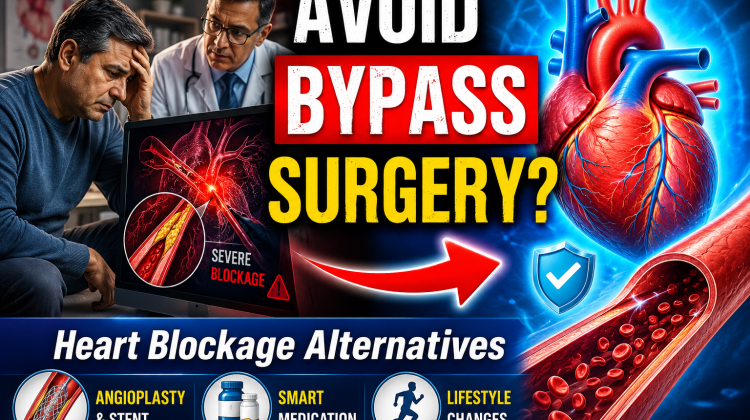
Can You Avoid Bypass Surgery?
Powerful Alternatives for Heart Blockage You Should Know
The conversation usually begins in a quiet room, with a doctor gently pointing at a scan. A few dark lines, a few narrowed paths, and suddenly life feels divided into “before” and “after.” Someone hears the words “blockage” and “surgery” in the same sentence, and the mind starts racing. But somewhere between fear and hope, a question quietly appears—is there another way? That’s where the idea of an Alternative for bypass treatment begins to take shape, not as a rejection of surgery, but as a search for understanding.
Think of the heart like a city’s road network. Over time, traffic builds up, roads get clogged, and some routes become almost unusable. Bypass surgery is like building a new road around the traffic—it works, and often saves lives. But sometimes, instead of building a new road, clearing the existing ones or improving traffic flow can also make a difference. That’s where alternatives come into the picture.
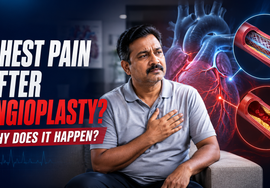
One of the most commonly discussed options is angioplasty. It sounds technical, but the idea is simple: imagine inserting a tiny balloon into a blocked pipe and inflating it just enough to push the blockage aside. In many cases, a small mesh tube called a stent is placed to keep that path open. It’s less invasive than surgery and often comes with a quicker recovery time. For many, it feels like fixing the problem without “opening up the whole system.”
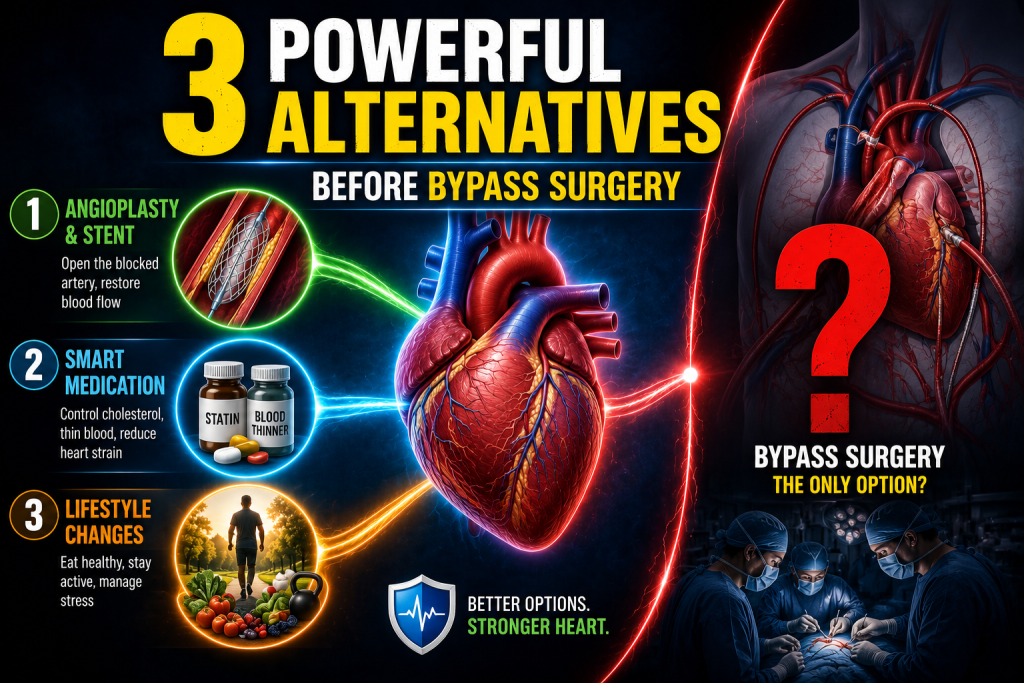
Then there’s medication—something that often gets overlooked because it sounds too simple. But in reality, medicines can act like traffic controllers. They don’t remove the blockage entirely, but they help blood flow better, reduce strain on the heart, and prevent things from getting worse. Cholesterol-lowering drugs, blood thinners, and lifestyle changes together can sometimes stabilize the situation more than expected.
Lifestyle, in fact, plays a surprisingly powerful role. It’s like maintaining the roads regularly so they don’t get clogged again. A shift in diet, a consistent walking routine, stress management—these don’t sound dramatic, but over time, they quietly reshape heart health. Many people underestimate how small daily habits can influence something as critical as blood flow.
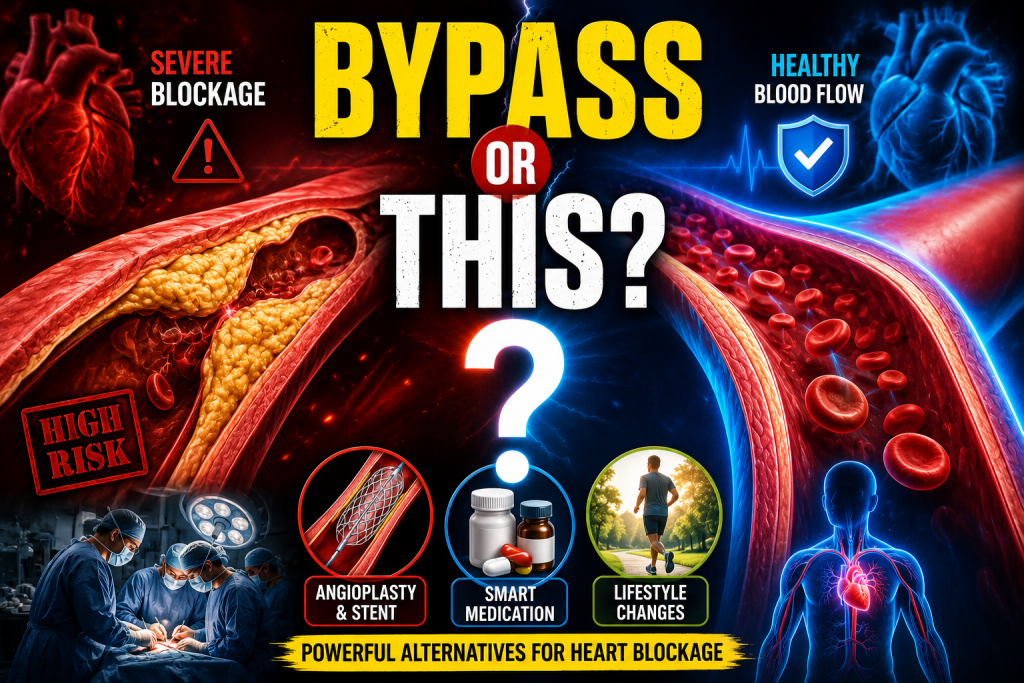
At this point in the journey, the idea of an Alternative for bypass treatment becomes less about avoiding something and more about choosing what fits best. Not every blockage is the same. Not every heart responds the same way. For some, surgery is the safest and most effective path. For others, a combination of less invasive treatments can offer stability and relief.
There’s also a growing awareness around personalized care. In some conversations about heart health, places like Gunam Cardio Care are mentioned—not as a solution in themselves, but as part of a broader shift toward looking at patients as individuals rather than just reports and scans. It reflects a subtle change in how care is approached: less about one-size-fits-all, more about thoughtful decisions.
What often goes unspoken is the emotional side of it all. The fear of surgery isn’t just about the procedure—it’s about uncertainty, recovery, and the feeling of losing control. Alternatives, when suitable, can sometimes offer a sense of participation in one’s own healing. It’s not just about fixing the heart; it’s about understanding it.
In the end, the question isn’t whether bypass surgery should be avoided at all costs. It’s about awareness. It’s about knowing that there are multiple paths, each with its own purpose. Like any journey, the best route depends on the condition of the road, the destination, and the traveller.
And sometimes, just knowing there’s a choice can make all the difference.