Bypass Surgery Isn’t the Only Option
Safer, Smarter Heart Treatments Explained
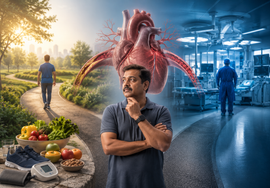
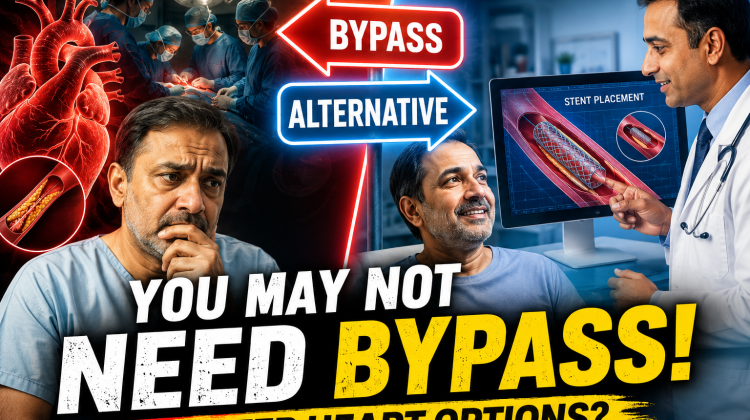
There was once a middle-aged man who treated his body like a loyal machine—feed it, use it, and expect it to keep going. Long work hours, quick meals, and very little rest became routine. Until one day, a tightness in his chest interrupted everything. Suddenly, conversations shifted from deadlines to arteries, from meetings to medical reports. The word “bypass surgery” echoed heavily in the room. But somewhere in that overwhelming moment, another idea quietly entered the discussion—Alternative for bypass treatment.
For many people, heart problems feel like a sudden plot twist in an otherwise predictable story. One day, everything is normal, and the next day, life is measured in test results and treatment options. Traditionally, bypass surgery has been seen as the main road—a major, well-known path doctors recommend when arteries are blocked. It’s effective, no doubt. But it’s also invasive, requiring time, recovery, and emotional readiness.
What’s changing today is not just medicine, but perspective.
Think of the heart like a city’s traffic system. When one major road is blocked, the immediate thought might be to rebuild the entire route. But sometimes, traffic can be redirected, smaller roads can be widened, or blockages can be cleared without rebuilding everything from scratch. That’s exactly how modern heart treatments are evolving.
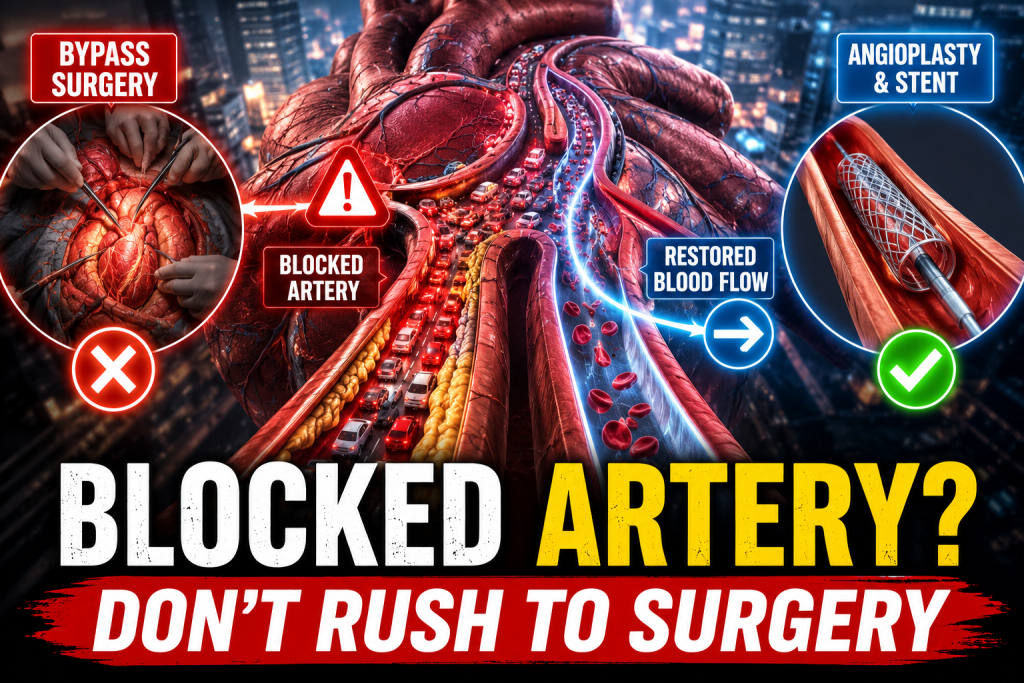
Procedures like angioplasty, for example, act like skilled traffic controllers. Instead of opening up the whole chest, doctors use tiny instruments to clear blockages and place stents—small supports that keep arteries open. The recovery is faster, and the body doesn’t go through the same level of stress as major surgery.
Then there are lifestyle-based approaches that, while slower, play a powerful role. Diet changes, regular movement, stress management—these aren’t just “extra advice.” They’re like daily maintenance for that city. Ignoring them is what causes roads to wear down in the first place.
Midway through the man’s journey, something shifted. Instead of feeling like he was being pushed into one single option, he began to understand the range of choices available. Doctors explained that in certain cases, depending on the severity and condition, there could be an Alternative for bypass treatment that was less invasive and still effective.
This realization often brings a kind of relief that isn’t just physical—it’s emotional. Because when people feel they have options, fear loses some of its grip.
In places like Gunam Cardio Care, there’s an observable shift toward this kind of patient-centred thinking. Instead of rushing to conclusions, there’s a pause—an effort to match treatment with the individual, not just the condition. It’s less about replacing one method with another and more about choosing what truly fits.
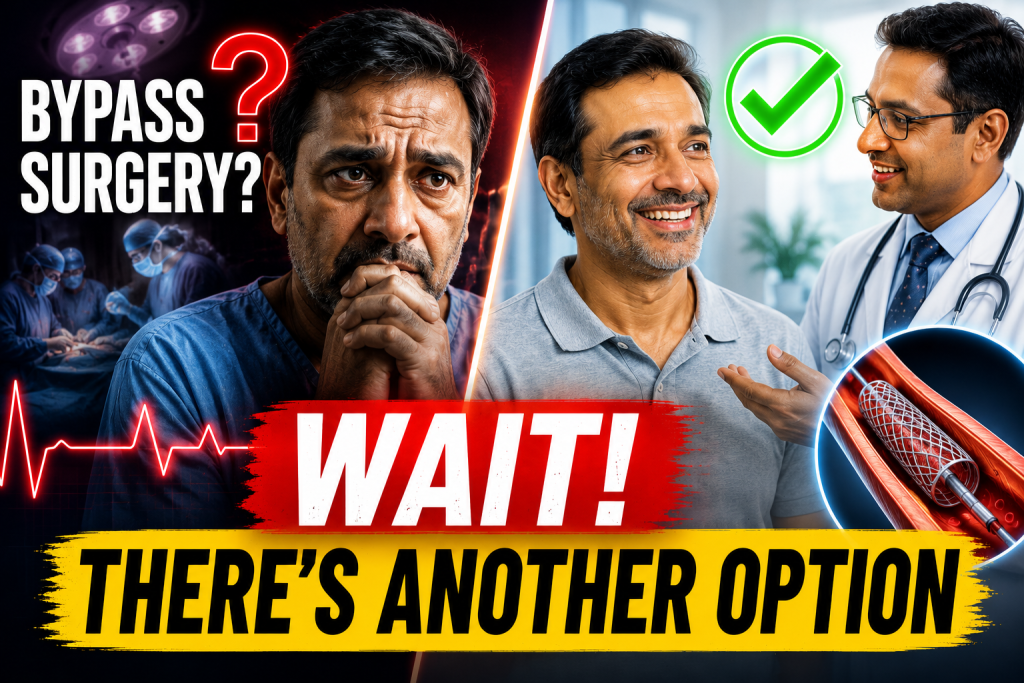
Of course, not every case can avoid bypass surgery. Some situations demand it, just like some roads must be rebuilt entirely for safety. But the key takeaway is this: heart care is no longer a one-size-fits-all journey.
The man who once feared the worst eventually found clarity. Not because the situation changed overnight, but because understanding replaced uncertainty. He realized that medicine today isn’t just about fixing problems—it’s about offering paths.
And that’s what makes modern heart treatment feel a little more human.
In the end, the story isn’t about avoiding surgery at all costs. It’s about awareness, informed choices, and trusting that the road ahead can be navigated with care. Just like life itself, sometimes the safest path isn’t the most obvious one—it’s the one chosen with understanding.