What is the Best Treatment for a heart attack?
Complete Guide to Save Life and Recover Faster
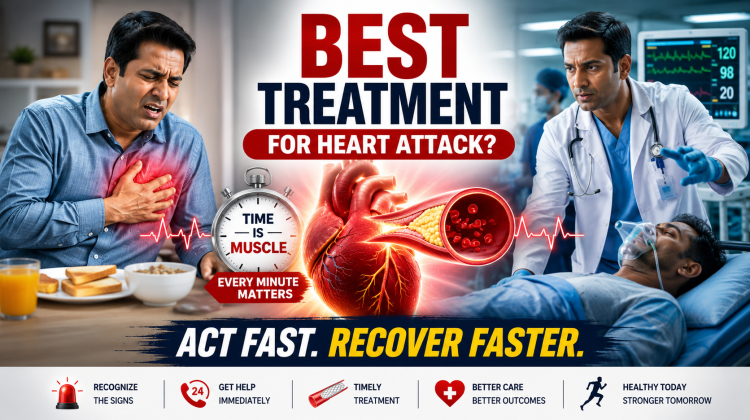
It often begins like an ordinary day. Someone is having breakfast, scrolling through their phone, or rushing to work. Then, suddenly, there is a strange heaviness in the chest—like someone quietly placing a heavy stone on it. At first, it feels confusing, almost easy to ignore. But within minutes, that small discomfort turns into something serious. In those moments, understanding the Best treatment for heart attack is not just medical knowledge—it becomes the thin line between panic and survival.
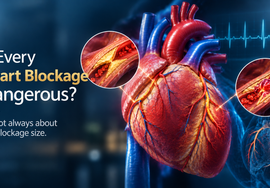
A heart attack, in simple terms, is like a traffic jam inside the body’s most important highway—the arteries that supply blood to the heart. When blood flow gets blocked, the heart muscle starts struggling, just like a car engine overheating without fuel. The faster the blockage is cleared, the better the chances of saving the “engine.”
What makes heart attacks tricky is how ordinary they can feel at the beginning. Some describe it as chest pressure, others as pain spreading to the arm, neck, or back. Sometimes it even feels like indigestion. That’s why awareness matters. Recognizing early signs is like noticing smoke before a fire spreads.
When it comes to treatment, timing plays the biggest role. Doctors often say “time is muscle,” meaning every minute saved helps protect the heart. The first step usually involves emergency care—medications that thin the blood and help restore flow. It’s similar to clearing a blocked pipe so water can move freely again.
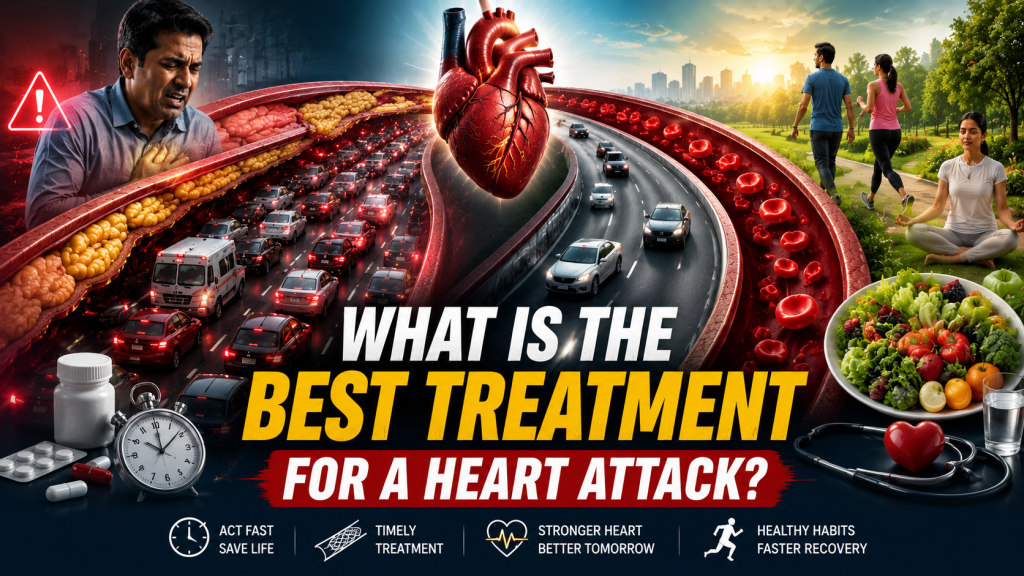
In many cases, doctors perform a procedure called angioplasty. This involves inserting a tiny balloon into the blocked artery and expanding it to open up the pathway. Sometimes, a small mesh tube called a stent is placed to keep the artery open. It’s almost like repairing a damaged road and placing barriers to prevent future blockages.
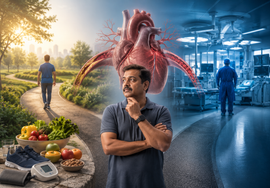
Midway through recovery, the conversation often shifts toward lifestyle. Because even after emergency care, the journey doesn’t end there. This is where the idea of the Best treatment for heart attack expands beyond hospital walls. It becomes about daily habits—food choices, movement, stress, and sleep.
Recovery is not just physical; it’s deeply emotional, too. Many people feel fear after a heart attack, constantly worrying about another one. Doctors and caregivers often compare recovery to learning how to walk again—not physically, but mentally. Confidence needs rebuilding.
In some cardiac centres, there is a noticeable emphasis on this holistic approach. For instance, observations around places like Gunam Cardio Care show how recovery is treated as a combination of medical care, patient education, and emotional support rather than just a one-time procedure.
Diet becomes a quiet but powerful medicine. Instead of strict restrictions, it’s often explained like maintaining a garden—less junk, more natural nourishment. Fruits, vegetables, whole grains, and balanced proteins help keep the “roads” inside the body clear. Even small changes, like reducing oil or choosing home-cooked meals, can make a difference.
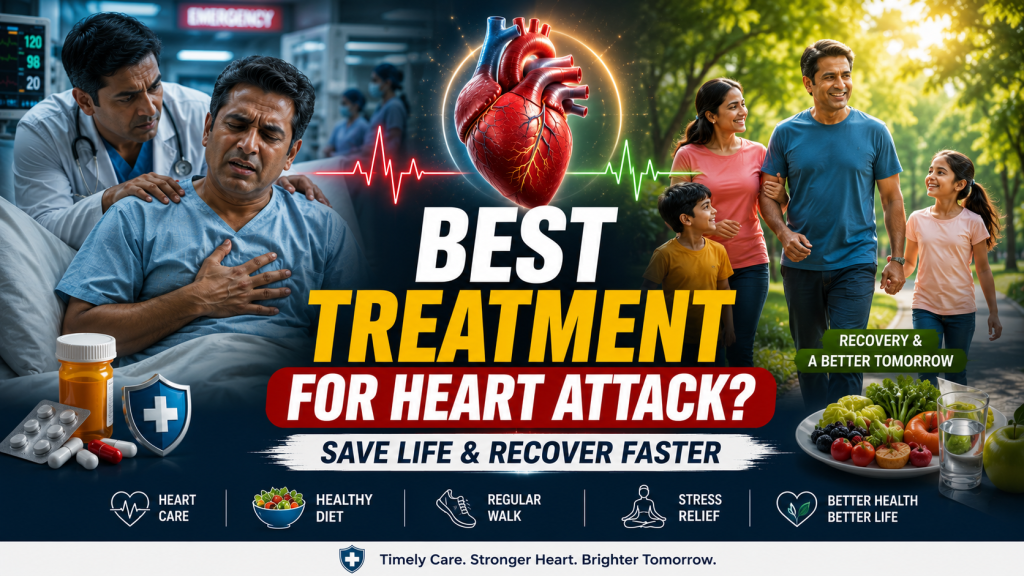
Exercise, too, is introduced gently. Not as intense workouts, but as simple walking routines. A slow walk each day is often compared to regularly servicing a vehicle—it keeps everything running smoothly.
Then there’s stress. Invisible, silent, yet powerful. Stress is like constantly pressing the accelerator without giving the engine a break. Over time, it wears everything down. Learning to pause, breathe, and slow down becomes part of healing.
What stands out most in heart attack stories is not just the treatment, but the transformation that follows. People often begin to value time differently, relationships more deeply, and health more consciously. It is like learning a calm and prudent way of life after the heart has been pushed to its very limits.
In the end, a heart attack is not just a medical event—it’s a turning point. The real recovery lies not only in hospitals or medicines, but in the small, consistent choices made every day afterwards. And sometimes, that second chance becomes the most meaningful chapter of all.