Skip Angioplasty?
Modern Treatments and Natural Ways to Manage Heart Blockage
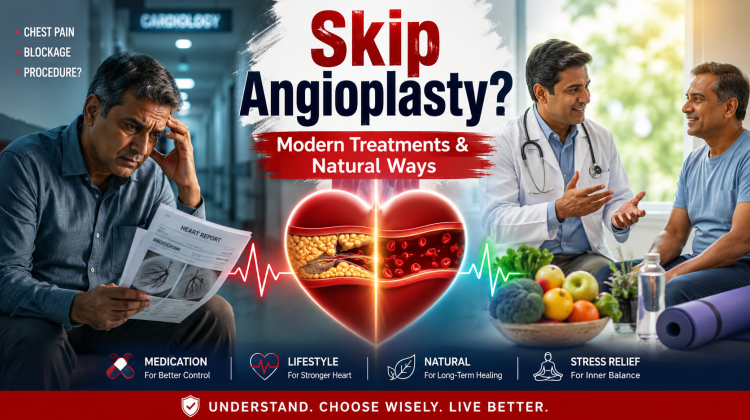
There was a moment in a quiet hospital corridor when everything felt heavier than usual. A middle-aged man sat with a file in his hand, flipping through reports he barely understood. Words like “blockage” and “procedure” echoed louder than the conversations around him. Somewhere between fear and confusion, a simple question lingered—was there an Alternative for angioplasty that didn’t feel so sudden or overwhelming?
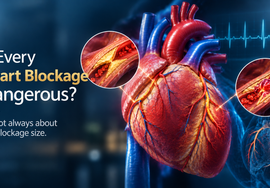
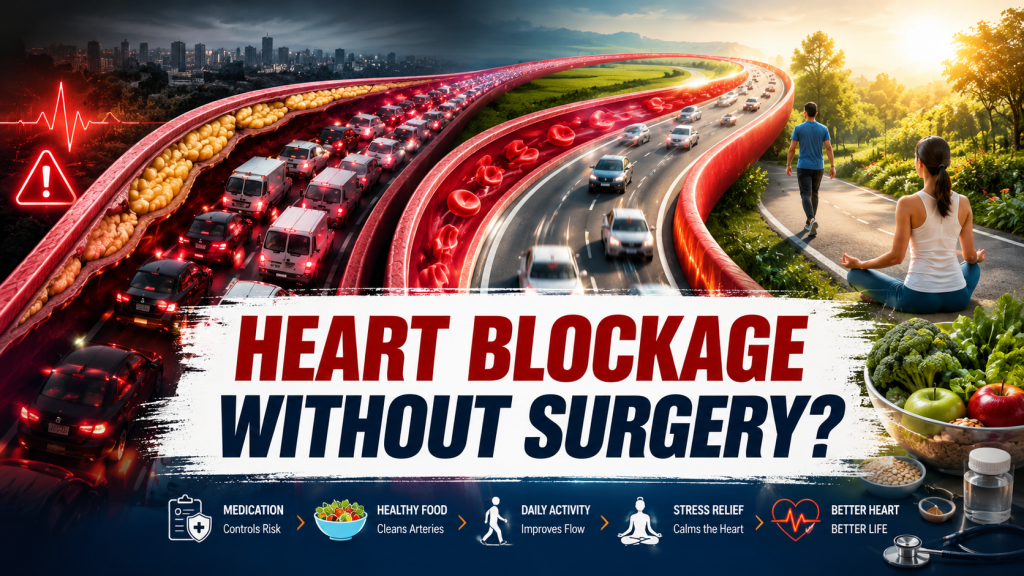
Heart blockage often sounds scarier than it is. Imagine a busy city road during peak traffic. When vehicles pile up, movement slows, tension rises, and everything feels stuck. That’s similar to what happens inside arteries when plaque builds up. Blood struggles to pass smoothly, and the heart begins to work harder—like a driver pressing the accelerator in a jam.
Traditionally, angioplasty has been the go-to solution. It’s like clearing the road using a quick construction fix—placing a stent to widen the artery. It works, often effectively. But just like roads, the story doesn’t always end there. Maintenance, lifestyle, and habits still decide whether traffic builds up again.
In recent years, conversations around heart care have started shifting. Doctors and patients alike have begun exploring a more layered approach—one that doesn’t always rush to intervention but instead asks deeper questions. What caused the blockage? Can the body be supported to heal? Is there a way to slow, stop, or even reverse the damage?
This is where modern treatments blend with natural strategies.
Medications, for example, act like traffic police. They don’t remove the roadblock instantly, but they regulate flow—controlling cholesterol, thinning the blood, and reducing pressure. Over time, they can stabilize plaques, making them less dangerous.
Then comes lifestyle—the often underestimated hero.
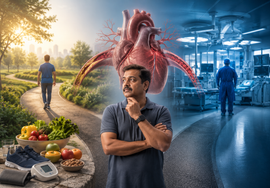
Food choices begin to matter more than ever. A plate filled with fibre-rich fruits, vegetables, and whole grains acts like a cleaning crew, gradually reducing the buildup. Regular movement—whether it’s walking, yoga, or light exercise—keeps the “traffic” flowing smoothly. Even stress management plays a role; after all, constant tension is like adding more vehicles onto an already crowded road.
Some healthcare approaches now combine these elements into structured programs. There’s a growing curiosity around methods that prioritize long-term balance over quick fixes. In such discussions, the idea of an Alternative for angioplasty often surfaces again—not as a rejection of medical science, but as an expansion of possibilities.

Interestingly, observations around centres like Gunam Cardio Care reflect this evolving mindset. Rather than focusing solely on procedures, there seems to be an emphasis on understanding the body as a whole system—where habits, emotions, and daily routines quietly shape heart health over time.
Of course, not every situation allows for alternatives. Severe blockages, emergencies, or high-risk cases may still require immediate intervention. Just like a completely blocked road needs urgent clearing, the heart sometimes needs direct action. The key lies in awareness—knowing when to act fast and when to explore deeper, steadier paths.
What makes this journey interesting is how it mirrors everyday life. Many problems aren’t solved by a single action but by consistent, small changes. A cluttered room isn’t fixed by moving one chair; it improves with regular cleaning. Similarly, heart health isn’t just about one procedure—it’s about ongoing care.
In the end, that man in the hospital corridor represents many silent stories. Stories of fear, hope, and the search for clarity. As understanding grows, so does the realization that health decisions don’t have to feel rushed or one-dimensional.
Sometimes, the most powerful step isn’t choosing between options—it’s understanding them.