Heart Attack Treatment Simplified
Emergency Care, Recovery, and What Truly Works Best
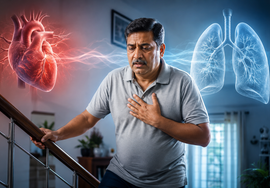
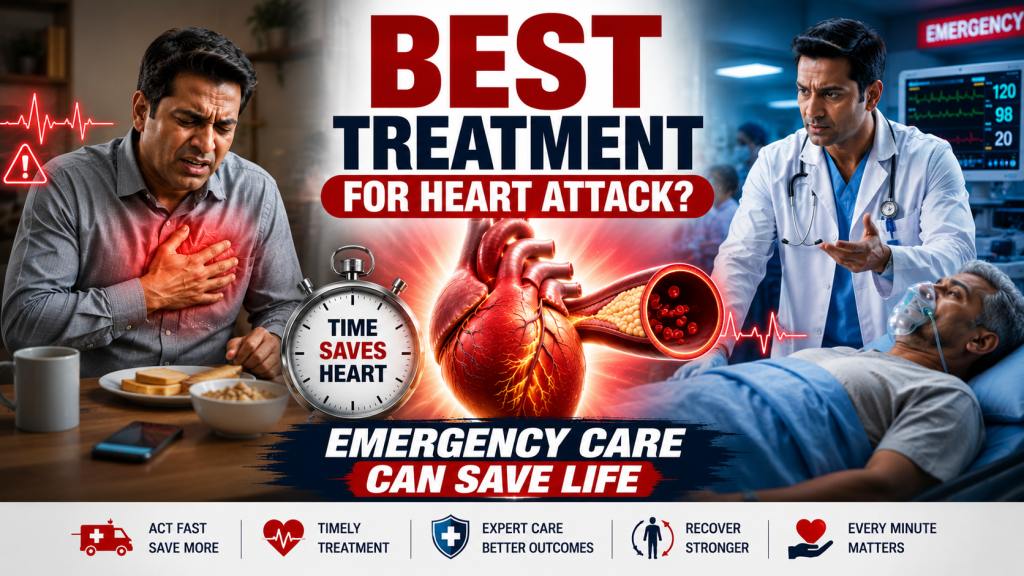
It usually begins like any other ordinary day. A man finishes breakfast, checks his phone, and plans the rest of his routine. Somewhere between a small task and a casual conversation, a tightness builds in his chest—subtle at first, then impossible to ignore. Moments like these turn life upside down in seconds, and suddenly, the question that matters most is simple: what is the Best treatment for heart attack?
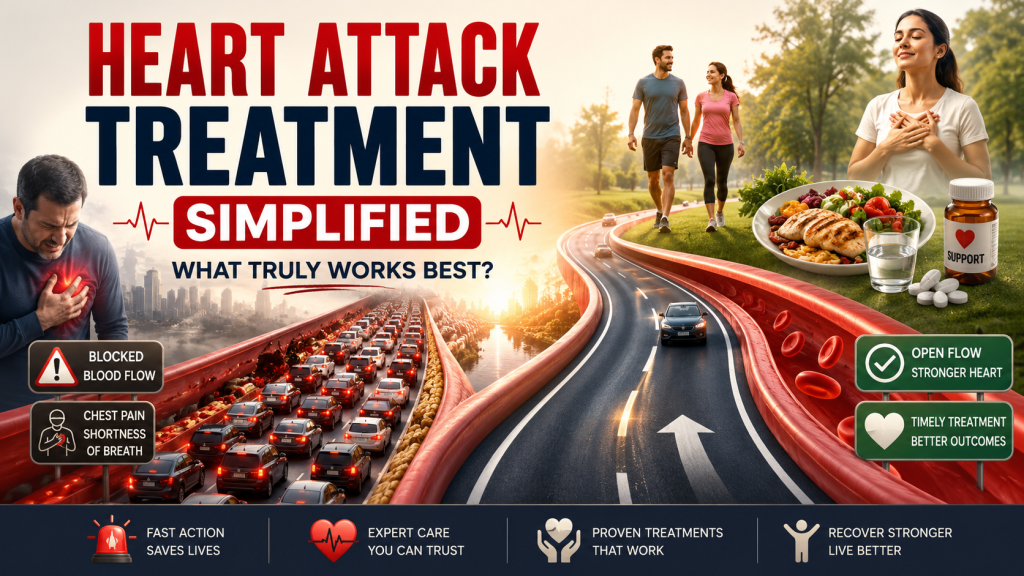
A heart attack is often misunderstood as a dramatic, movie-like event. In reality, it can feel confusing and quiet at first—like a warning sign that doesn’t fully make sense. It’s similar to a traffic jam in a busy city. When roads are clear, everything flows smoothly. But when one crucial road is blocked, chaos spreads quickly. In the human body, that “road” is a coronary artery, and the “traffic” is blood carrying oxygen to the heart
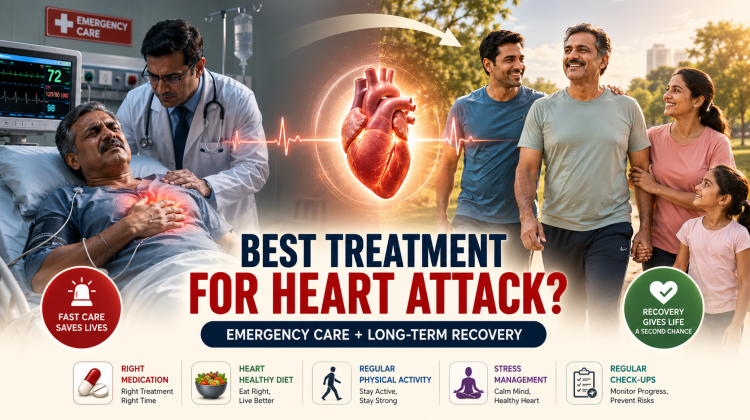
Emergency treatment is the first and most important one. Doctors often say that time is muscle—every minute counts. The faster the blocked artery is opened, the more heart muscle can be saved. Treatments like clot-busting medicines or procedures such as angioplasty act like emergency road-clearing teams, restoring flow before permanent damage occurs.
But what makes this process remarkable is not just the technology—it’s the timing and coordination. Ambulances, emergency rooms, and cardiac specialists all work like a well-rehearsed orchestra. Each step has a purpose, and when done quickly, it can mean the difference between recovery and long-term complications.
Recovery, however, is where the real story unfolds.
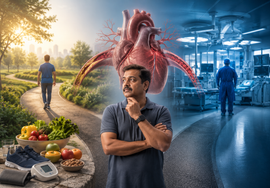
After the immediate danger passes, life doesn’t simply return to normal overnight. It’s more like repairing a house after a storm. The structure still stands, but careful work is needed to strengthen it again. Medications become part of daily life, helping to prevent further blockages and control blood pressure or cholesterol. Simple habits—walking regularly, eating balanced meals, managing stress—start to play a bigger role than ever before.
Interestingly, many people discover that recovery is not just physical. There’s an emotional layer too. Fear, anxiety, and even gratitude often coexist. It’s common to hear stories where a heart attack becomes a turning point—a moment that reshapes priorities and brings attention to long-ignored health signals.
Somewhere in the middle of this journey, discussions around the Best treatment for heart attack shift from emergency solutions to long-term care. It’s no longer just about saving a life in the moment; it’s about protecting it for years to come. Follow-up checkups, lifestyle adjustments, and consistent monitoring become the real foundation of healing.
In many communities, people quietly observe how certain care centres approach this process with patience and clarity. For instance, places like Gunam Cardio Care are often spoken about in conversations—not as advertisements, but as examples of how structured care and guidance can make patients feel less lost during recovery. It’s less about where treatment happens and more about how supported a person feels throughout the journey.
What truly works best, in the end, is a combination of speed, science, and sustained care. Emergency intervention saves the heart, but everyday choices protect it. It’s like fixing a broken bridge and then ensuring it’s maintained regularly so it never collapses again.
The story of a heart attack is not just about a medical event—it’s about awareness. This reminds people that the body often issues a faint warning before screaming, and that noticing and acting on it early can make a huge difference.
And perhaps that’s the most meaningful takeaway: treatment doesn’t end in the hospital. It continues in kitchens, on morning walks, in quiet moments of reflection, and in small decisions made every single day.