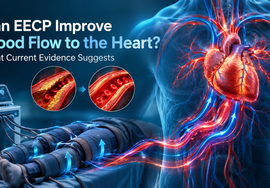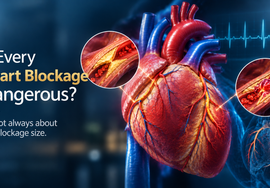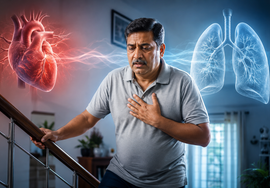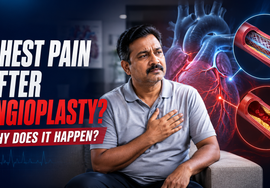
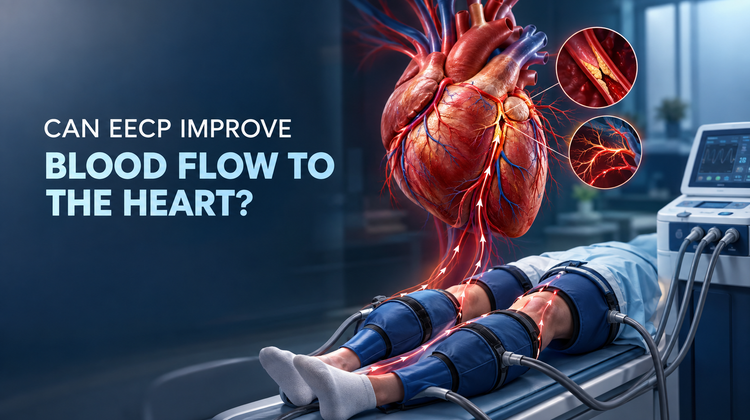
Can EECP Improve Blood Flow to the Heart?
What Current Evidence Suggests
For people living with coronary artery disease, persistent chest pain, or reduced exercise capacity, improving blood flow to the heart is one of the primary goals of treatment. While medications, angioplasty, and bypass surgery are well-established options, some patients either continue to experience symptoms despite these treatments or are not suitable candidates for additional invasive procedures. This is where Enhanced External Counter Pulsation (EECP) has gained attention.
EECP is a non-invasive therapy that aims to improve circulation without surgery. Over the past two decades, clinical studies and professional guidelines have evaluated its role in managing chronic stable angina and selected cases of heart failure. Although EECP is not a cure for coronary artery disease and does not remove arterial plaque, current evidence suggests it can improve blood flow, reduce symptoms, and enhance quality of life in carefully selected patients.
If you are asking, Can EECP Improve Blood Flow to the Heart? What Current Evidence Suggests, the answer is encouraging—but it comes with an important condition: EECP should always be recommended after a comprehensive evaluation by a cardiologist to determine whether it is appropriate for your specific condition.
What Is EECP?
Enhanced External Counter Pulsation (EECP) is a non-invasive outpatient therapy designed to improve blood circulation to the heart
During treatment:
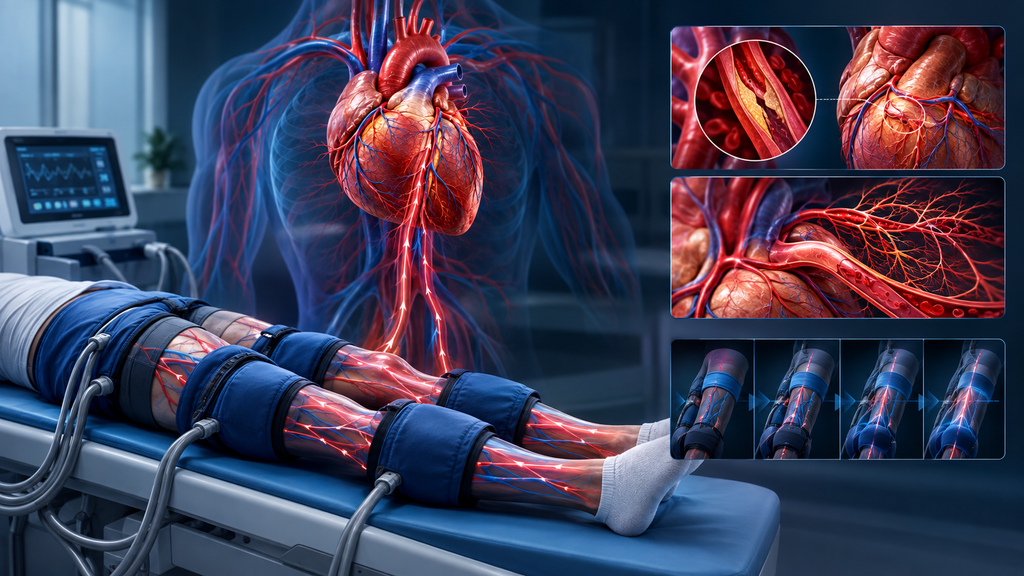
- Inflatable cuffs are wrapped around the calves, thighs, and lower hips.
- The cuffs inflate and deflate in precise synchronization with the heartbeat.
- Inflation occurs during the heart’s relaxation phase (diastole).
- Deflation occurs just before the heart pumps blood (systole).
This carefully timed sequence increases blood flow back to the heart while reducing the effort required for the heart to pump blood forward.
Unlike angioplasty or bypass surgery, EECP does not involve catheters, incisions, anesthesia, or implanted devices.
How Does EECP Improve Blood Flow?
EECP works through several physiological mechanisms rather than by removing blockages.
1. Increasing Coronary Blood Flow
During diastole, the inflated cuffs push blood from the legs toward the heart.
This creates higher pressure within the coronary arteries, helping improve oxygen-rich blood delivery to the heart muscle.
2. Encouraging Natural Collateral Blood Vessel Development
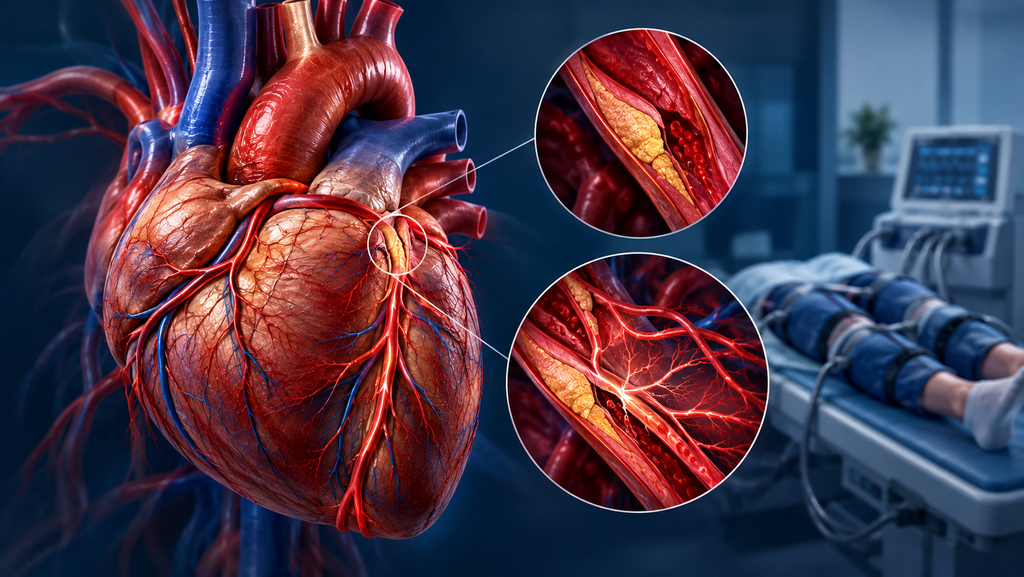
One of EECP’s most important potential benefits is promoting the growth and recruitment of collateral circulation.
Collateral blood vessels are small natural pathways that can help deliver blood around narrowed or blocked arteries.
Although these vessels cannot completely replace severely blocked arteries, they may improve circulation enough to reduce symptoms in selected patients.
3. Improving Endothelial Function
The endothelium is the thin inner lining of blood vessels.
Research suggests EECP may improve endothelial function, allowing blood vessels to relax and respond more effectively to changing blood flow demands.
Healthier blood vessels contribute to better circulation throughout the cardiovascular system.
4. Reducing the Heart’s Workload
Because blood returns to the heart more efficiently during treatment, the heart may pump more effectively while using less energy.
This reduction in cardiac workload may help relieve symptoms in patients with chronic stable angina.
What Does Current Medical Evidence Say?
The effectiveness of EECP has been evaluated in clinical trials, observational studies, and long-term patient registries.
Current evidence suggests that, in carefully selected patients, EECP may:
- Reduce the frequency of angina episodes.
- Improve exercise tolerance.
- Increase walking distance.
- Improve quality of life.
- Reduce dependence on certain anti-anginal medications in some patients.
- Improve functional status in chronic stable coronary artery disease.
Several professional cardiology organizations recognize EECP as a treatment option for selected patients with refractory angina—persistent chest pain despite optimal medical therapy when further revascularization is not appropriate or feasible.
However, researchers also emphasize that EECP should complement—not replace—standard evidence-based cardiovascular care.
What EECP Does Not Do
Understanding EECP’s limitations is just as important as understanding its benefits.
EECP does not:
- Remove cholesterol plaques.
- Dissolve arterial blockages.
- Replace emergency angioplasty during a heart attack.
- Eliminate the need for medications.
- Cure coronary artery disease.
Instead, it helps improve circulation and reduce symptoms in appropriate patients as part of a comprehensive treatment plan.
Who May Benefit Most From EECP?
Cardiologists may consider EECP for patients who have:
- Chronic stable angina.
- Persistent chest pain despite optimal medical therapy.
- Symptoms after previous angioplasty or bypass surgery.
- Coronary artery disease that cannot be treated with additional stents or surgery.
- Reduced exercise tolerance due to chronic coronary artery disease.
- Selected cases of heart failure, depending on clinical evaluation.
Every patient requires an individualized assessment before treatment is recommended.
Who May Not Be a Suitable Candidate?
Although EECP is non-invasive, it is not appropriate for everyone.
It may not be recommended for patients with:
- Severe aortic valve disease.
- Active deep vein thrombosis.
- Certain uncontrolled heart rhythm disorders.
- Severe peripheral arterial disease.
- Uncontrolled hypertension.
- Active bleeding disorders.
- Acute heart attack requiring emergency treatment.
A thorough medical evaluation helps ensure patient safety.
How Doctors Decide Whether EECP Is Appropriate
Before recommending EECP, cardiologists evaluate far more than symptoms alone.
The decision may involve reviewing:
- Medical history.
- Coronary angiogram findings.
- Electrocardiogram (ECG).
- Echocardiogram.
- Stress test results.
- Current medications.
- Heart pumping function.
- Previous cardiac procedures.
- Overall physical condition.
- Presence of diabetes, kidney disease, or other medical conditions.
This comprehensive assessment helps determine whether EECP is likely to provide meaningful benefit.
How Long Does Treatment Take?
A standard EECP program typically consists of:
- Approximately 35 treatment sessions.
- One-hour sessions.
- Five sessions per week.
- Around seven weeks of treatment.
Some patients may require modified treatment schedules depending on their clinical condition and response.
Consistency is important because the benefits of EECP develop gradually over the course of treatment.
Can EECP Replace Angioplasty or Bypass Surgery?
No.
One of the most common misconceptions is that EECP is an alternative to every invasive heart procedure.
If a patient is experiencing:
- An acute heart attack,
- Unstable angina,
- Left main coronary artery disease,
- Or severe coronary blockages requiring urgent intervention,
angioplasty or bypass surgery may provide the most appropriate treatment.
EECP is generally considered when symptoms remain chronic and stable, or when invasive procedures are not suitable or have already been performed.
The Real Goal of EECP Is Better Daily Living
When discussing EECP, it is easy to focus only on blood flow. However, the outcome that often matters most to patients is how they feel in everyday life.

For many suitable candidates, successful treatment is measured by improvements such as:
- Walking longer distances without chest discomfort.
- Climbing stairs more comfortably.
- Returning to hobbies and daily activities.
- Reducing limitations caused by angina.
- Feeling more confident performing routine tasks
In other words, the value of EECP lies not only in improving circulation but also in helping patients regain independence and function.
Lifestyle Still Determines Long-Term Success
Even after successful EECP treatment, long-term heart health depends on consistent lifestyle management.
Patients should continue to focus on:
- A heart-healthy diet.
- Regular physical activity approved by their cardiologist.
- Smoking cessation.
- Blood pressure control.
- Diabetes management.
- Cholesterol reduction.
- Maintaining a healthy weight.
- Stress management.
- Taking prescribed medications consistently.
EECP works best when combined with these evidence-based strategies.
Frequently Asked Questions
Does EECP physically remove heart blockages?
No. EECP does not remove plaque from coronary arteries. It improves circulation by enhancing blood flow and encouraging the development of natural collateral blood vessels.
How soon do patients notice improvement?
Some patients report gradual improvement during treatment, while others notice benefits after completing the full course. Individual responses vary depending on the severity of heart disease and overall health.
Is EECP supported by medical evidence?
Yes. Clinical studies suggest that EECP can improve symptoms, exercise capacity, and quality of life in carefully selected patients with chronic stable angina. It is recognized in clinical guidelines as a treatment option for specific patient groups, although it is not appropriate for every case.
Can EECP be combined with medications?
Yes. EECP is generally used alongside standard medical therapy rather than replacing prescribed medications.
Can EECP Improve Blood Flow to the Heart? What Current Evidence Suggests is a question that reflects the growing interest in non-invasive options for managing chronic coronary artery disease. Current research indicates that EECP can improve coronary blood flow, encourage the development of natural collateral circulation, enhance endothelial function, and reduce the frequency of angina symptoms in carefully selected patients. These improvements may translate into better exercise tolerance and an improved quality of life.
At the same time, EECP is not a cure for coronary artery disease and should not be viewed as a replacement for emergency treatments such as angioplasty or bypass surgery when those interventions are clearly indicated. The most effective approach combines accurate diagnosis, evidence-based medical care, healthy lifestyle changes, and personalized treatment planning. If you have persistent chest pain or reduced physical capacity despite standard treatment, discussing EECP with an experienced cardiologist can help determine whether it is an appropriate addition to your long-term heart care strategy.