Can a 90% Heart Blockage Be Treated Without Surgery?
A diagnosis of a 90% heart blockage can be frightening. Many people immediately assume that open-heart surgery or angioplasty is the only possible treatment. While these procedures are often lifesaving and remain the standard recommendation in many situations, they are not the only option for every patient.
The right treatment depends on several medical factors, including the location of the blockage, the number of arteries involved, blood flow to the heart, symptoms, heart muscle function, and the patient’s overall health. In selected cases, non-surgical treatments—including Enhanced External Counter Pulsation (EECP), medications, and lifestyle modification—may help improve symptoms and quality of life when surgery is not appropriate or is deferred.
The answer is not simply “yes” or “no.” It requires careful evaluation by a cardiologist and a treatment plan based on evidence rather than assumptions.
What Does a 90% Heart Blockage Actually Mean?
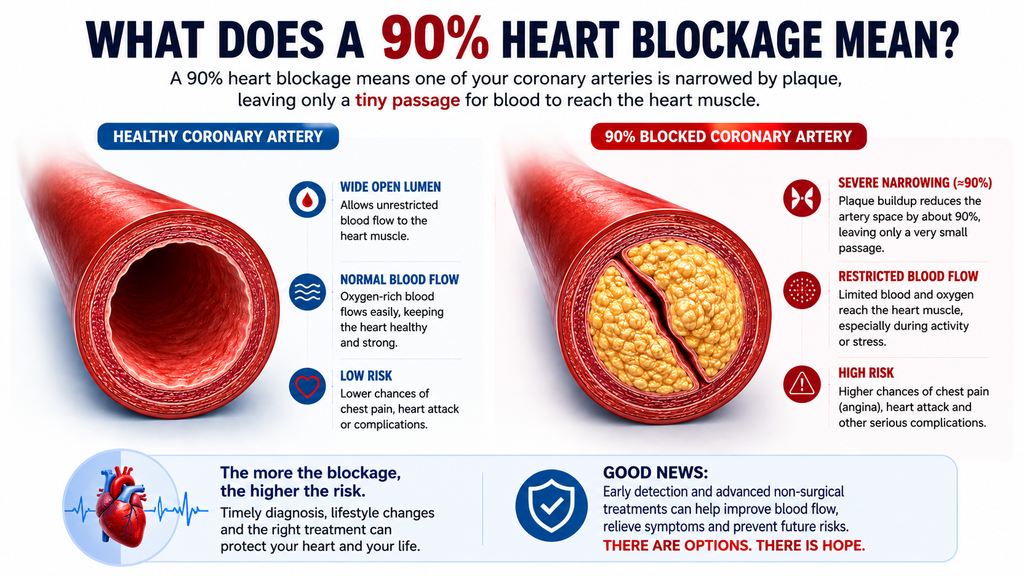
A heart blockage occurs when fatty deposits known as plaques narrow the coronary arteries that supply oxygen-rich blood to the heart muscle.
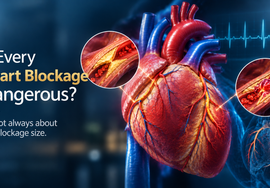
A 90% blockage means that the artery’s diameter has been significantly narrowed. However, the percentage alone does not always determine the urgency or the type of treatment. Doctors also evaluate:
- Which coronary artery is affected
- Whether one or multiple arteries are blocked
- Blood flow beyond the blockage
- Whether symptoms occur during rest or activity
- Results of stress tests and imaging
- Heart pumping function (ejection fraction)
- Presence of diabetes, kidney disease, or other medical conditions
Some patients with severe narrowing may experience only mild symptoms, while others with less severe narrowing may develop significant chest pain or heart attacks.
Can a 90% Heart Blockage Be Treated Without Surgery
In some carefully selected patients, the answer is yes—but only under close medical supervision.
Treatment without surgery does not usually mean removing the blockage. Instead, the goal is to improve blood supply to the heart, reduce symptoms, prevent disease progression, and lower the risk of future cardiac events.
A cardiologist may recommend non-surgical management when:
- Surgery carries a high risk because of age or other illnesses
- The patient is not suitable for angioplasty or bypass surgery
- Symptoms remain despite previous procedures
- The blockage is stable and not causing an active heart attack
- The patient has adequate collateral circulation
- Conservative management is medically appropriate
Each decision is individualized after reviewing diagnostic findings.
When Surgery Is Still the Best Option
There are situations where delaying surgery may increase the risk of serious complications.
Procedures such as angioplasty with stenting or coronary artery bypass grafting (CABG) are generally recommended when patients have:
- Acute heart attack
- Left main coronary artery disease
- Multiple critical blockages
- Persistent severe chest pain despite medication
- High-risk findings on cardiac investigations
- Reduced blood supply that threatens heart muscle survival
These procedures restore blood flow quickly and have strong evidence supporting their use in appropriately selected patients.
Non-Surgical Treatment Options That May Help
For patients who are not immediate candidates for surgery or who continue experiencing symptoms, several non-surgical treatments may be considered.
1. Optimal Medical Therapy
Modern medications play a major role in managing coronary artery disease.
These may include:
- Antiplatelet medications
- Cholesterol-lowering drugs (statins)
- Blood pressure medications
- Beta blockers
- Nitrates
- Diabetes management medications when needed
These medicines reduce the heart’s workload, lower cardiovascular risk, and help prevent disease progression.
2. EECP Therapy
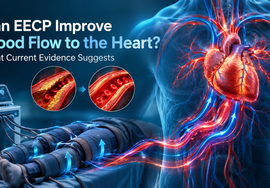
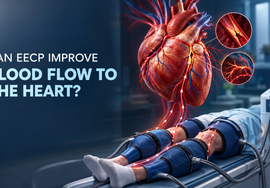
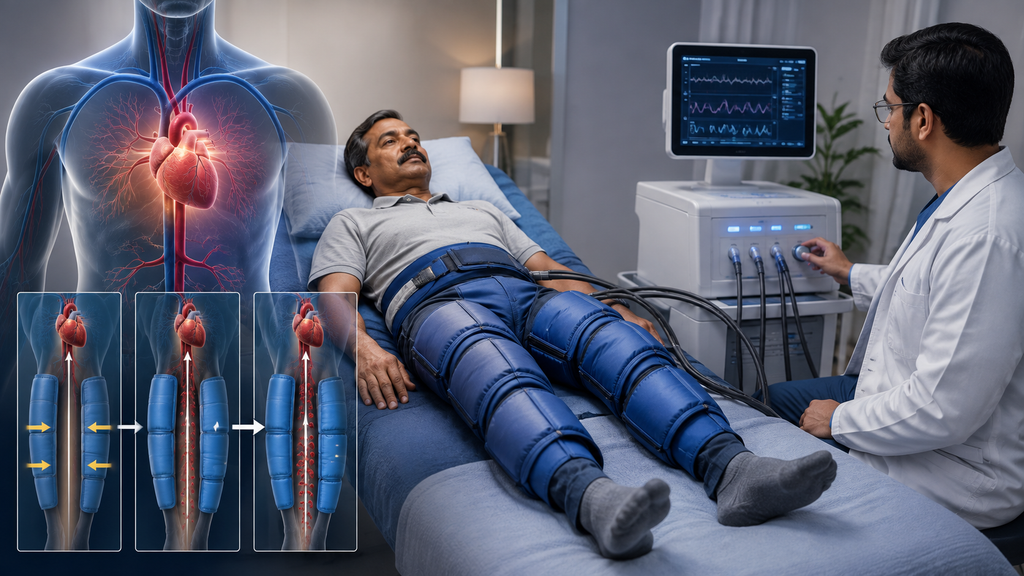
Enhanced External Counter Pulsation (EECP) is a non-invasive treatment designed to improve blood circulation to the heart.
During therapy:
- Inflatable cuffs are wrapped around the legs.
- The cuffs inflate and deflate in synchronization with the heartbeat.
- This process helps increase blood flow to the coronary arteries.
- It encourages the development of natural collateral blood vessels over time.
- The heart receives an improved oxygen supply without surgery.
EECP is commonly considered for patients who:
- Continue having angina despite medications
- Are not suitable candidates for surgery
- Prefer a non-invasive treatment after cardiology evaluation
- Have persistent symptoms following previous angioplasty or bypass surgery
EECP does not physically remove plaque, but it can improve circulation and reduce symptoms in appropriately selected patients.
Can Lifestyle Changes Reverse a 90% Blockage?
Lifestyle improvements are essential for every patient with coronary artery disease.
However, it is important to understand what they can and cannot achieve.
Healthy habits may:
- Slow plaque progression
- Improve blood vessel function
- Reduce inflammation
- Lower cholesterol levels
- Improve blood pressure control
- Reduce future cardiovascular risk
Lifestyle changes alone generally do not eliminate a 90% blockage, but they significantly improve long-term heart health when combined with medical treatment.
Diet Plays a Bigger Role Than Many People Realize
Nutrition directly influences cholesterol levels, inflammation, blood pressure, and blood sugar control.
A heart-friendly eating pattern typically includes:
- Fresh vegetables
- Fruits
- Whole grains
- Legumes
- Nuts
- Healthy fats in moderation
- Lean protein sources
- Limited processed foods
- Reduced salt intake
- Minimal sugary beverages
Rather than following temporary diet trends, consistency over months and years produces the greatest cardiovascular benefit.
Exercise Should Be Individualized
Many patients worry that exercise may worsen severe blockage.
The reality is that physical activity should be guided by a cardiologist.
Depending on the patient’s condition, supervised exercise programs may help:
- Improve circulation
- Increase stamina
- Reduce fatigue
- Improve blood pressure
- Support weight management
- Enhance overall cardiovascular fitness
Patients with unstable symptoms should never begin vigorous exercise without medical evaluation.
How Doctors Decide Between Surgery and Non-Surgical Treatment

Cardiologists rarely base treatment decisions on blockage percentage alone.
Instead, they combine information from multiple sources, including:
- ECG
- Echocardiogram
- Coronary angiogram
- CT coronary angiography
- Stress testing
- Blood investigations
- Symptom severity
- Functional capacity
- Existing medical conditions
This comprehensive assessment helps determine the safest and most effective treatment strategy.
Warning Signs That Require Immediate Medical Attention
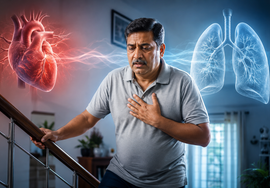
Seek emergency medical care immediately if you experience:
- Severe chest pain lasting more than a few minutes
- Pain spreading to the jaw, shoulder, back, or arm
- Difficulty breathing
- Sudden sweating
- Fainting
- Persistent nausea with chest discomfort
- New or worsening chest pain at rest
These symptoms may indicate a heart attack and require urgent evaluation.