When Is EECP Necessary?
Signs You Should Discuss It With Your Cardiologist
Heart disease treatment is no longer limited to medications, angioplasty, or bypass surgery. Today, cardiologists have access to advanced non-invasive therapies that can improve blood flow and relieve symptoms for carefully selected patients. One such treatment is Enhanced External Counter Pulsation (EECP).
However, EECP is not meant for everyone with heart disease. It is a specialized therapy recommended only after a comprehensive cardiac evaluation. Knowing when EECP becomes a suitable option can help patients have informed conversations with their cardiologists rather than waiting until symptoms become severe.
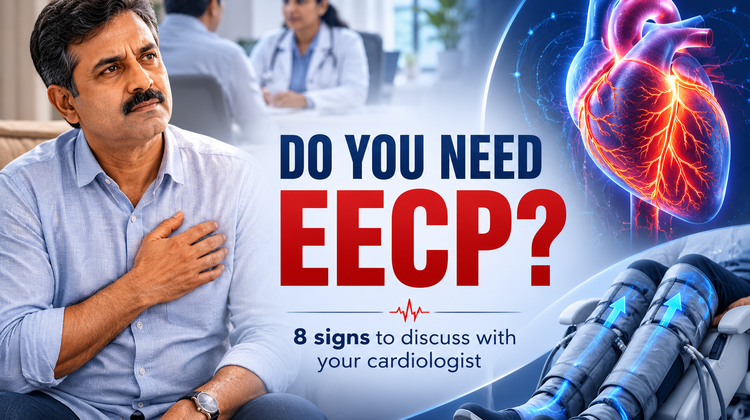
If you are experiencing ongoing chest discomfort, reduced physical stamina, or persistent symptoms despite treatment, it may be time to ask an important question: When Is EECP Necessary? Signs You Should Discuss It With Your Cardiologist can help you understand whether this non-invasive therapy deserves a place in your treatment plan.
What Is EECP and How Does It Work?
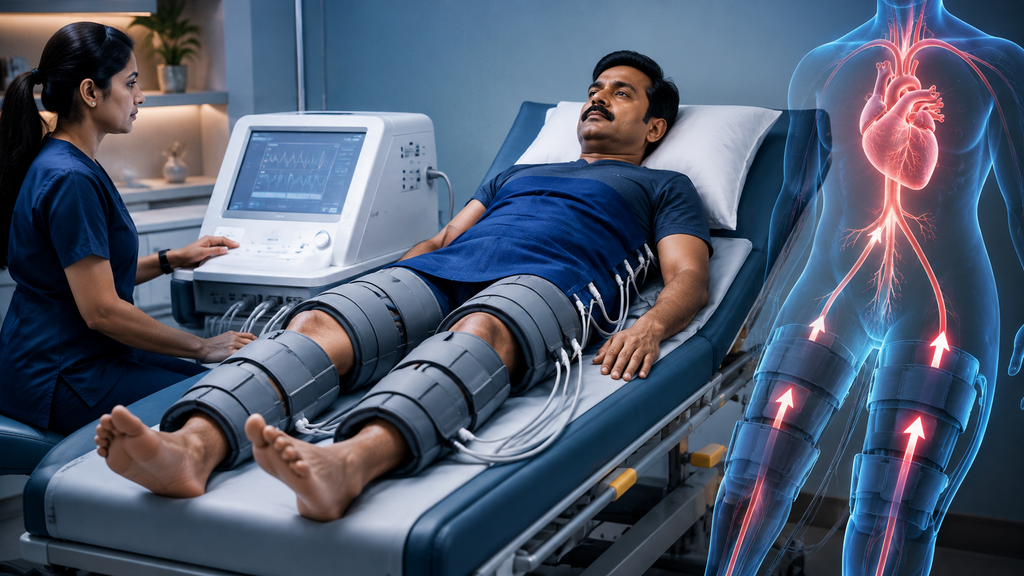
Enhanced External Counter Pulsation (EECP) is a non-surgical treatment designed to improve blood circulation to the heart.
During each session, inflatable cuffs are wrapped around the calves, thighs, and lower hips. These cuffs inflate and deflate in synchronization with the heartbeat using computerized timing.
This process helps:
- Increase blood flow to the coronary arteries
- Improve oxygen delivery to the heart muscle
- Encourage the formation of natural collateral blood vessels
- Reduce the heart’s workload
- Improve circulation throughout the cardiovascular system
Unlike surgery, EECP does not involve incisions, anesthesia, or implanted devices.
EECP Is a Treatment Option—Not a Replacement for Emergency Care
Many patients mistakenly believe EECP can replace emergency cardiac procedures. That is not true.
If someone is having a heart attack, unstable chest pain, or other life-threatening cardiac emergencies, immediate medical treatment such as emergency angioplasty or surgery may be required.
EECP is generally considered for patients with stable coronary artery disease or chronic symptoms after a cardiologist has completed a detailed assessment.
Signs You Should Discuss EECP With Your Cardiologist
1. Chest Pain Continues Despite Medication
Persistent angina that limits daily activities is one of the most common reasons patients are evaluated for EECP.
If medications reduce symptoms only partially or no longer provide sufficient relief, your cardiologist may explore additional treatment options.
Recurring chest discomfort should never be accepted as “normal.”
2. You Become Breathless During Routine Activities
Shortness of breath while climbing stairs, walking moderate distances, or performing everyday tasks may indicate that the heart is not receiving enough oxygen-rich blood.
Although many conditions can cause breathlessness, coronary artery disease remains an important possibility that deserves evaluation.
If reduced circulation is contributing to symptoms, EECP may be considered depending on your overall cardiac condition.
3. You Are Not an Ideal Candidate for Surgery
Some patients have medical conditions that increase the risks associated with bypass surgery or angioplasty.
Examples include:
- Advanced age
- Kidney disease
- Multiple chronic illnesses
- Diffuse coronary artery disease
- Previous unsuccessful interventions
For selected patients, EECP may provide symptom relief without undergoing another invasive procedure.
4. Symptoms Continue After Angioplasty or Bypass Surgery
Successful surgery does not always eliminate future symptoms.
Some patients continue experiencing:
- Chest discomfort
- Reduced exercise tolerance
- Fatigue
- Limited physical activity
When symptoms persist despite previous procedures, cardiologists may investigate whether EECP could improve blood flow through collateral circulation.
5. Your Daily Life Is Becoming Smaller
Heart disease often affects more than the heart.
You may notice that you have gradually stopped:
- Walking longer distances
- Traveling comfortably
- Participating in family activities
- Climbing stairs
- Exercising
- Performing household responsibilities
Patients often adapt slowly to these limitations without realizing how much their quality of life has changed.
If symptoms are reducing your independence, it is worth discussing all available treatment options with your cardiologist.
6. You Have Stable Coronary Artery Disease
EECP is frequently considered for patients with stable coronary artery disease rather than emergency cardiac conditions.
Your cardiologist evaluates:
- Severity of symptoms
- Blood supply to the heart
- Diagnostic imaging
- Medical history
- Previous treatments
- Overall cardiovascular risk
Stable patients who continue experiencing symptoms despite optimal medical therapy may benefit from further assessment for EECP.

7. You Want to Improve Exercise Capacity
One important goal of EECP is improving functional capacity.
Many patients seek treatment because they want to:
- Walk farther
- Perform routine work comfortably
- Exercise with less discomfort
- Return to normal daily activities
- Reduce physical fatigue
While individual outcomes vary, improving day-to-day functioning is one of the primary reasons cardiologists recommend EECP.
8. You Have Refractory Angina
Refractory angina refers to chronic chest pain that continues despite medications and standard revascularization procedures.
These patients often have limited treatment options.
International clinical guidelines recognize EECP as a potential therapy for carefully selected patients with refractory angina when symptoms persist despite conventional treatment.
Who May Not Be Suitable for EECP?
Although EECP is non-invasive, it is not appropriate for every patient.
Your cardiologist may advise against EECP in certain situations, including:
- Active deep vein thrombosis
- Severe aortic valve disease
- Significant bleeding disorders
- Certain uncontrolled heart rhythm abnormalities
- Severe peripheral vascular disease
- Uncontrolled hypertension
- Acute heart failure requiring emergency treatment
Proper screening ensures that EECP is used safely and effectively.
How Cardiologists Decide Whether EECP Is Appropriate
Before recommending EECP, your doctor will usually review several factors rather than focusing on symptoms alone.
These may include:
- Coronary angiography findings
- Echocardiogram
- Electrocardiogram (ECG)
- Stress testing
- Current medications
- Previous cardiac procedures
- Heart pumping function
- Overall physical condition
- Existing medical conditions
This complete evaluation helps determine whether EECP fits within your overall treatment strategy.

What Results Can Patients Expect?
EECP is designed to improve circulation rather than remove plaque from blocked arteries.
Many suitable patients may experience improvements such as:
- Reduced frequency of chest pain
- Better exercise tolerance
- Improved walking distance
- Less dependence on certain angina medications
- Improved quality of life
- Better physical endurance during daily activities
Results vary depending on the severity of coronary artery disease and each patient’s overall health.
Questions to Ask Your Cardiologist About EECP
A productive consultation often begins with the right questions.
Consider asking:
- Am I a suitable candidate for EECP?
- What is causing my current symptoms?
- Would EECP complement my existing treatment plan?
- Are there alternatives better suited to my condition?
- What improvements should I realistically expect?
- Are there any risks based on my medical history?
- How will we measure whether the treatment is working?
These questions encourage shared decision-making and help patients better understand their options.