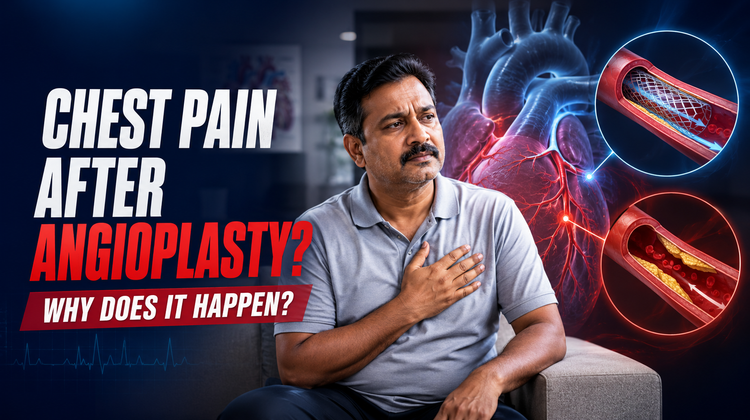
Why Do Some Patients Still Experience Chest Pain After Angioplasty?
Angioplasty is one of the most effective procedures for restoring blood flow through blocked coronary arteries. For many patients, it provides rapid relief from chest pain, improves blood circulation, and reduces the risk of future heart-related complications. However, not every patient becomes completely symptom-free after the procedure.
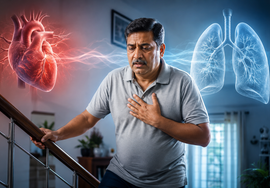
Experiencing chest pain after angioplasty can be confusing and even alarming. Some people worry that the procedure has failed, while others assume the discomfort is simply part of recovery. The reality lies somewhere in between. Chest pain after angioplasty is not always a sign of another blockage, but it should never be ignored.
Understanding the possible causes can help patients know when symptoms are expected, when they require medical attention, and what treatment options are available. Why Do Some Patients Still Experience Chest Pain After Angioplasty? The answer involves more than just the stent itself—it often reflects the complexity of coronary artery disease and the heart’s recovery process.
What Does Angioplasty Actually Treat?
Angioplasty is a minimally invasive procedure used to widen narrowed or blocked coronary arteries.
During the procedure:
- A thin catheter is inserted into a blood vessel.
- A small balloon is inflated to open the narrowed artery.
- A stent is usually placed to keep the artery open.
- Blood flow to the heart muscle improves.
While angioplasty restores circulation through the treated artery, it does not cure coronary artery disease. The underlying condition that caused plaque buildup still requires lifelong management.
Is Chest Pain After Angioplasty Normal?
Some mild discomfort immediately after the procedure may be expected.
Temporary symptoms can occur because:
- The artery has been stretched.
- Blood vessels are healing.
- The heart is adjusting to improved blood flow.
These symptoms often improve within a short period under medical supervision.
However, chest pain that persists, worsens, or returns weeks or months later should always be evaluated by a cardiologist.
Common Reasons Chest Pain Can Continue After Angioplasty
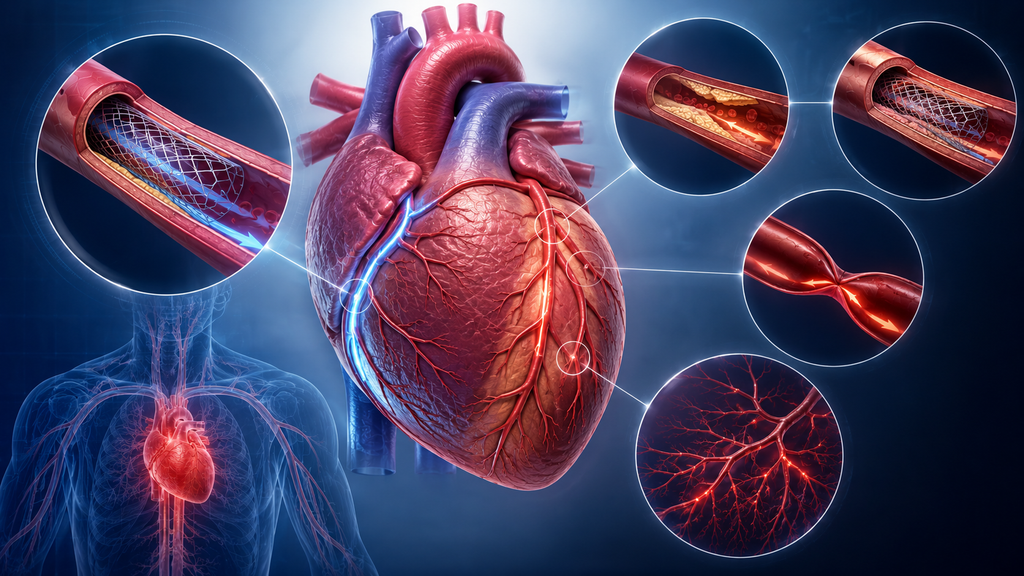
1. Other Coronary Arteries May Still Have Blockages
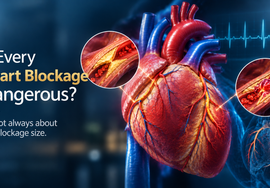
Angioplasty treats the artery that was identified as needing intervention.
If other coronary arteries also contain significant plaque, patients may continue experiencing symptoms because untreated areas still reduce blood supply to the heart.
This is particularly common in individuals with diabetes or widespread coronary artery disease.
2. Restenosis (Re-Narrowing of the Treated Artery)
Although modern drug-eluting stents have significantly reduced this problem, the treated artery can occasionally become narrow again.
This process is known as restenosis.
Possible warning signs include:
- Recurring chest pain
- Reduced exercise tolerance
- Breathlessness during activity
- Symptoms similar to those experienced before angioplasty
Follow-up evaluation helps determine whether restenosis is present.
3. Disease Progression in Other Blood Vessels
Coronary artery disease is an ongoing condition.
Even after a successful angioplasty, plaque can continue developing in different parts of the coronary circulation if cardiovascular risk factors remain uncontrolled.
4. Coronary Microvascular Disease
Not all circulation problems involve major coronary arteries.
Tiny blood vessels within the heart may function abnormally, reducing oxygen delivery even when larger arteries appear open.
Microvascular disease is more common in:
- People with diabetes
- Women
- Individuals with longstanding hypertension
- Patients with chronic inflammation
Because these vessels cannot usually be treated with stents, symptoms may continue despite technically successful angioplasty.
5. Coronary Artery Spasm
Sometimes the coronary arteries temporarily tighten or spasm.
These spasms reduce blood flow and may cause chest discomfort similar to angina.
Coronary artery spasms often respond well to medications once properly diagnosed.
6. The Heart Muscle Needs Time to Recover
If blood flow had been reduced for a prolonged period before angioplasty, the heart muscle may require time to heal.
Recovery varies depending on:
- Severity of previous blockage
- Duration of reduced blood supply
- Overall heart function
- Presence of previous heart attack
Improvement may occur gradually rather than immediately.
Chest Pain May Not Always Come From the Heart
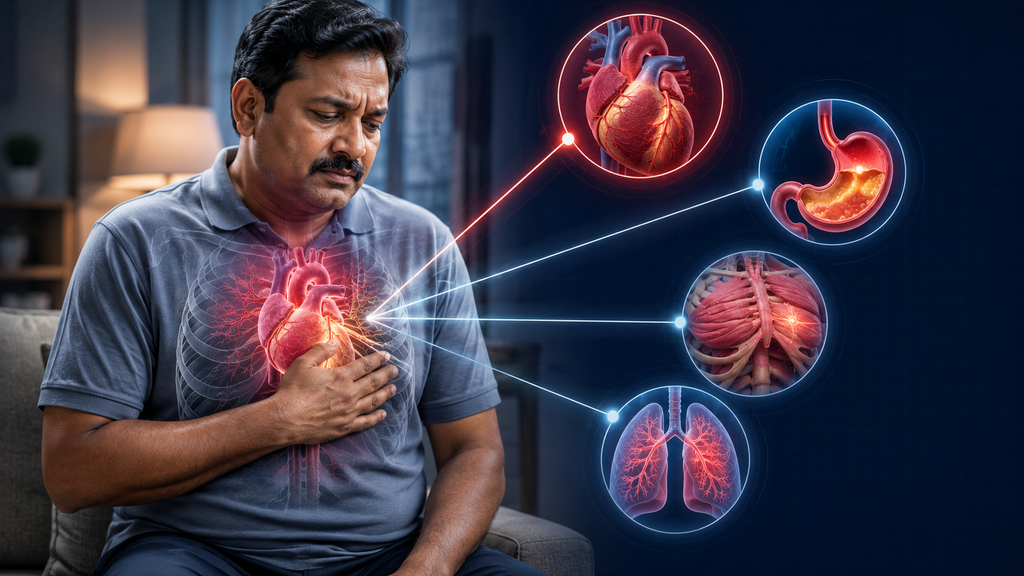
An important but often overlooked fact is that not every episode of chest pain after angioplasty originates from the coronary arteries.
Other possible causes include:
- Acid reflux
- Muscle strain
- Rib or chest wall inflammation
- Lung conditions
- Anxiety-related symptoms
Although these causes are common, cardiac causes must always be excluded first before assuming the pain is non-cardiac.
Warning Signs That Require Immediate Medical Attention
Seek emergency medical care immediately if chest pain is:
- Severe or crushing
- Lasting more than a few minutes
- Associated with sweating
- Accompanied by difficulty breathing
- Spreading to the jaw, shoulder, arm, or back
- Associated with fainting or dizziness
These symptoms may indicate a heart attack or another serious cardiovascular emergency.
How Cardiologists Find the Cause of Persistent Chest Pain
Rather than assuming the stent is the problem, cardiologists investigate several possibilities.
Evaluation may include:
- Detailed symptom assessment
- Electrocardiogram (ECG)
- Blood tests
- Echocardiogram
- Stress testing
- CT coronary angiography
- Coronary angiogram when appropriate
The goal is to identify the actual reason symptoms continue instead of treating based on assumptions.
Can Lifestyle Changes Reduce Recurring Chest Pain?
Absolutely.
Successful angioplasty is only one step in long-term heart care.
Patients who adopt heart-healthy habits often achieve better long-term outcomes.
These include:
- Eating a balanced diet rich in vegetables, fruits, whole grains, and lean proteins
- Maintaining healthy cholesterol levels
- Controlling diabetes and blood pressure
- Exercising according to medical advice
- Avoiding tobacco products
- Maintaining a healthy weight
- Taking prescribed medications consistently
- Attending regular follow-up appointments
Lifestyle modification helps protect both treated and untreated arteries.
What If Symptoms Continue Despite Medication and Angioplasty?
Some patients continue experiencing chronic stable angina even after receiving optimal medical therapy and previous angioplasty.
For carefully selected individuals, additional treatment options may be considered.
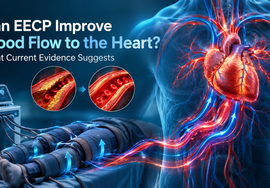
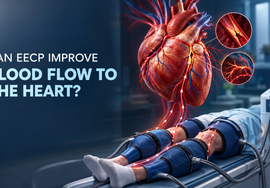
One such option is Enhanced External Counter Pulsation (EECP).
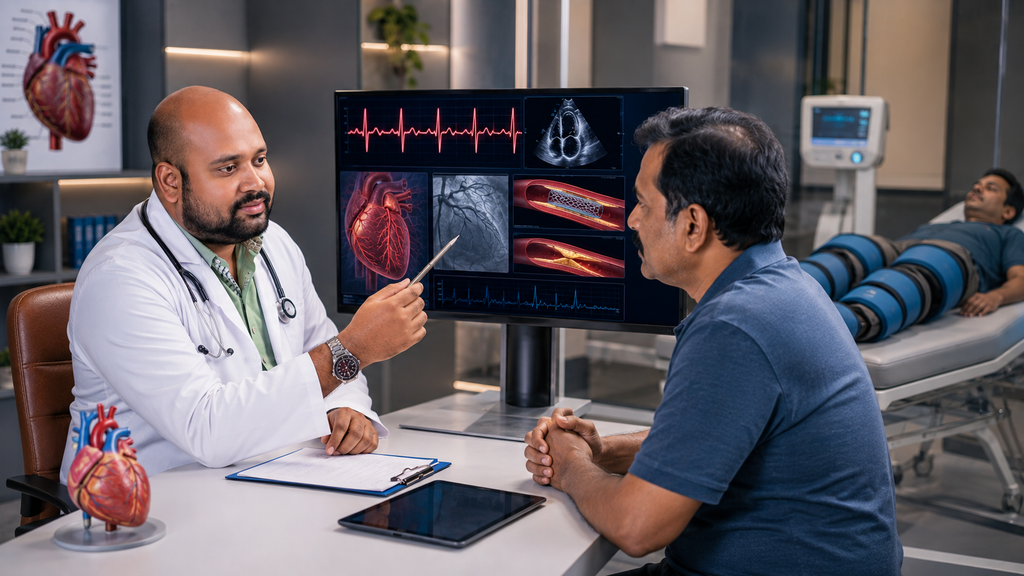
EECP is a non-invasive therapy that uses inflatable cuffs wrapped around the legs to improve blood circulation during each heartbeat. By increasing blood flow and encouraging the development of natural collateral blood vessels, EECP may help reduce chest pain, improve exercise capacity, and enhance quality of life in patients with persistent symptoms.
It is important to understand that EECP does not replace angioplasty or bypass surgery when those procedures are medically necessary. Instead, it may complement existing treatment plans for selected patients after evaluation by a cardiologist
Questions Patients Should Ask During Follow-Up Visits
If chest pain continues after angioplasty, consider discussing these questions with your cardiologist:
- Is my chest pain related to my heart?
- Has my treated artery remained open?
- Could another artery be causing symptoms?
- Do I need additional testing?
- Are my medications still appropriate?
- Would lifestyle changes further reduce my risk?
- Could therapies such as EECP be appropriate for my condition?
Open communication helps ensure that treatment decisions are based on accurate diagnosis rather than assumptions.