Is Shortness of Breath Always a Sign of Heart Disease?
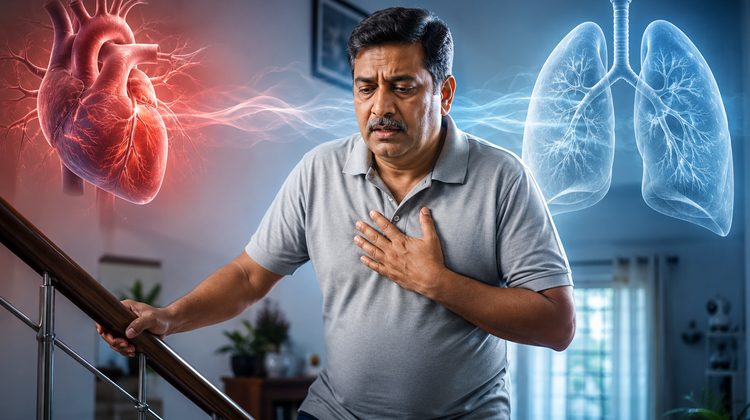
Feeling out of breath while climbing stairs, walking a short distance, or even resting can be unsettling. Many people immediately assume that breathlessness means something is wrong with the heart. While heart disease is an important cause of shortness of breath, it is not the only one. Conditions affecting the lungs, blood, metabolism, muscles, and even emotional health can produce similar symptoms.
The key is not to ignore persistent or unexplained breathlessness. Whether the cause is cardiac or non-cardiac, early diagnosis can prevent complications and lead to more effective treatment.
So, Is Shortness of Breath Always a Sign of Heart Disease? The answer is no—but because heart disease can present with breathlessness alone, especially in older adults and people with diabetes, it should never be dismissed without proper medical evaluation.
What Is Shortness of Breath?
Shortness of breath, medically known as dyspnea, is the sensation of not getting enough air or having difficulty breathing.
People describe it in different ways, such as:
- Feeling unable to take a deep breath
- Becoming winded after minimal activity
- Chest tightness while breathing
- A feeling of suffocation or air hunger
- Needing to stop frequently while walking
- Difficulty breathing when lying flat
Understanding when the symptom occurs and what triggers it helps doctors identify its underlying cause.
When Can Shortness of Breath Be Related to Heart Disease?
Your heart pumps oxygen-rich blood throughout the body. If it cannot pump efficiently or if blood flow to the heart muscle is reduced, fluid may accumulate in the lungs or the body’s oxygen demands may not be met.
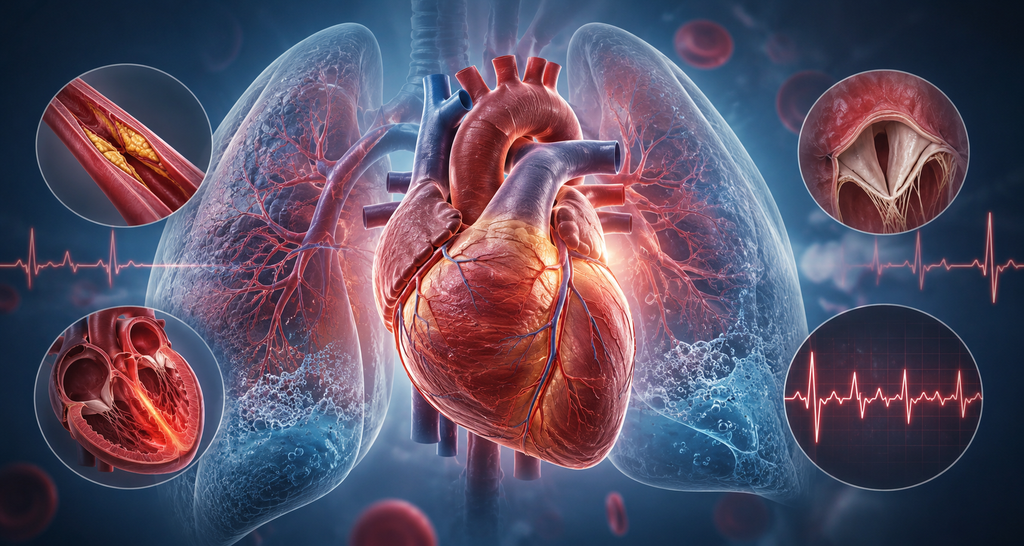
Heart-related causes of breathlessness include:
1. Coronary Artery Disease
Blocked coronary arteries reduce blood flow to the heart muscle.
Some patients experience chest pain, while others develop breathlessness as their primary symptom, particularly during physical activity.
2. Heart Failure
Heart failure does not mean the heart has stopped working. It means the heart cannot pump blood effectively enough to meet the body’s needs.
Common symptoms include:
- Breathlessness during activity
- Difficulty breathing while lying flat
- Swelling of the legs or ankles
- Fatigue
- Sudden nighttime breathlessness
Early treatment can significantly improve quality of life.
3. Heart Valve Disease
Damaged or narrowed heart valves force the heart to work harder.
As the condition progresses, patients may notice increasing breathlessness during routine activities.
4. Heart Rhythm Disorders
An irregular heartbeat can reduce the heart’s ability to pump blood efficiently.
This may result in:
- Shortness of breath
- Palpitations
- Fatigue
- Dizziness
- Reduced exercise capacity
Shortness of Breath Is Not Always Caused by Heart Disease
Many non-cardiac conditions can produce similar symptoms.
Lung Disorders
Several respiratory conditions affect oxygen exchange.
Examples include:
- Asthma
- Chronic obstructive pulmonary disease (COPD)
- Pneumonia
- Pulmonary fibrosis
- Lung infections
These conditions often present with coughing, wheezing, or fever alongside breathlessness.
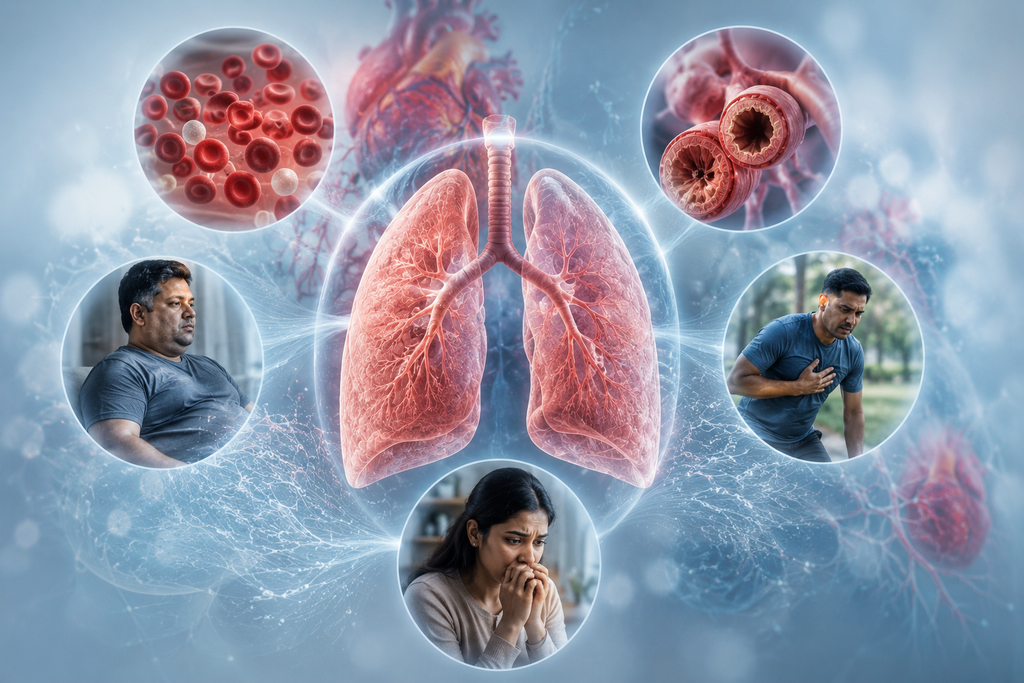
Anemia
When the body has too few healthy red blood cells, less oxygen reaches the tissues.
This may cause:
- Fatigue
- Breathlessness
- Weakness
- Pale skin
- Reduced physical endurance
Obesity
Excess body weight increases the work required for breathing and places additional strain on both the heart and lungs.
Even moderate physical activity may become difficult.
Poor Physical Fitness
People who are physically inactive may become breathless with minimal exertion because their cardiovascular fitness has declined.
Improving activity levels gradually often helps.
Anxiety and Panic Disorders
Stress and anxiety can trigger rapid breathing and the sensation of not getting enough air.
Although these symptoms are real, cardiac causes should be ruled out before assuming anxiety is responsible.
Can Diabetes Cause Breathlessness?
Diabetes itself may not directly cause shortness of breath, but it significantly increases the risk of conditions that do.
People with diabetes are more likely to develop:
- Coronary artery disease
- Heart failure
- Kidney disease
- Obesity
Because diabetes can also reduce pain sensation in some individuals, breathlessness may become the first noticeable symptom of underlying heart disease.
When Should Shortness of Breath Be Considered an Emergency?
Seek immediate medical attention if breathlessness is:
- Sudden and severe
- Associated with chest pain
- Accompanied by sweating
- Occurring at rest without explanation
- Associated with fainting
- Accompanied by blue lips or fingertips
- Associated with coughing up blood
- Causing severe difficulty speaking
These symptoms may indicate a life-threatening condition requiring emergency care.
Signs That Suggest the Heart May Be Involved
Although symptoms vary, breathlessness becomes more concerning for heart disease when it occurs along with:
- Chest discomfort
- Pressure in the chest
- Swelling of the legs
- Rapid or irregular heartbeat
- Unexplained fatigue
- Difficulty lying flat due to breathing problems
- Reduced ability to perform normal activities
These symptoms warrant prompt evaluation by a healthcare professional.
How Doctors Determine the Cause?
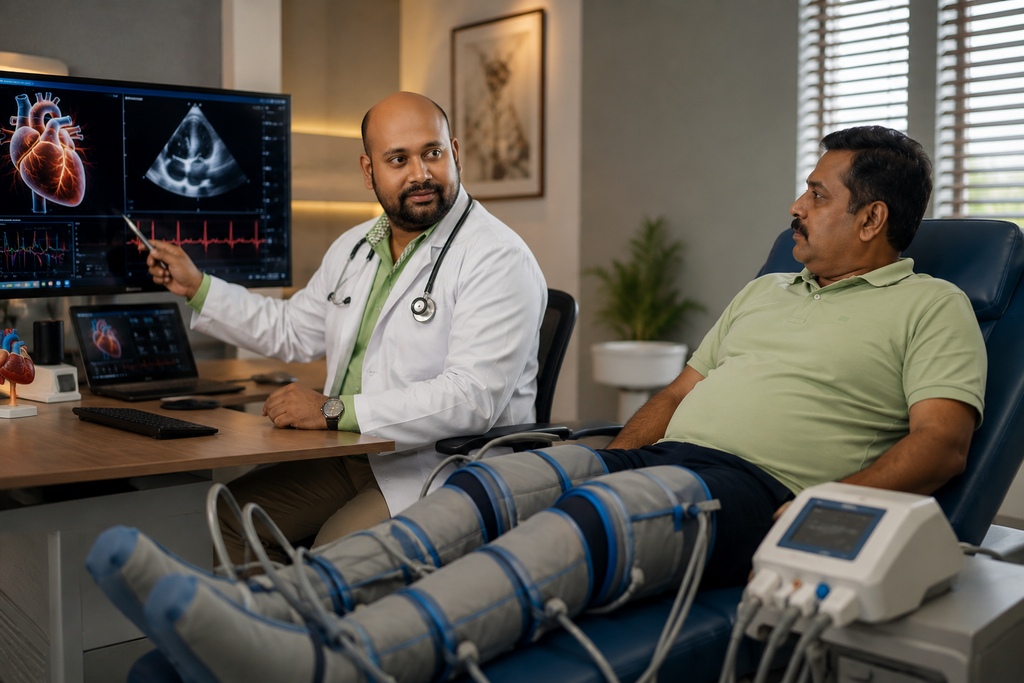
Rather than assuming every case of breathlessness originates from the heart, doctors evaluate the entire clinical picture.
Investigations may include:
- Medical history
- Physical examination
- Electrocardiogram (ECG)
- Echocardiogram
- Chest X-ray
- Blood tests
- Lung function tests
- CT imaging when necessary
- Exercise or stress testing
The objective is to identify the exact cause so that treatment addresses the underlying condition rather than simply relieving symptoms.
Can Lifestyle Changes Improve Breathlessness?
In many cases, yes.
Depending on the diagnosis, patients may benefit from:
Regular Physical Activity
Exercise improves:
- Heart efficiency
- Lung capacity
- Blood circulation
- Muscle endurance
- Overall stamina
Exercise programs should always be guided by medical advice when heart disease is suspected.
Healthy Nutrition
A balanced diet helps manage:
- Blood pressure
- Cholesterol
- Diabetes
- Body weight
These factors directly influence cardiovascular health.
Smoking Cessation
Smoking damages both the lungs and blood vessels.
Managing Chronic Medical Conditions
Good control of diabetes, hypertension, and cholesterol significantly lowers the risk of cardiovascular complications.
When Could EECP Be Considered?
If shortness of breath is caused by chronic stable coronary artery disease and continues despite medications or previous cardiac procedures, a cardiologist may evaluate whether Enhanced External Counter Pulsation (EECP) is appropriate.
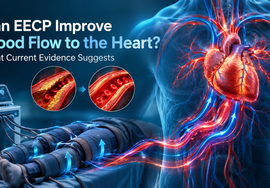
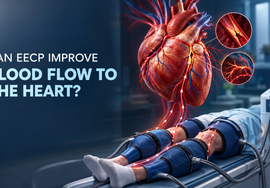
EECP is a non-invasive therapy that improves blood circulation by using inflatable cuffs wrapped around the legs. These cuffs inflate and deflate in synchronization with the heartbeat, helping increase blood flow to the heart and encouraging the formation of natural collateral blood vessels.
It is important to understand that EECP is not a treatment for every cause of breathlessness. It is specifically considered for selected patients with certain cardiovascular conditions after a comprehensive cardiac evaluation.
Questions You Should Ask Your Doctor
If breathlessness persists, consider discussing:
- What is causing my shortness of breath?
- Does my heart require further evaluation?
- Could my lungs be contributing to the problem?
- What tests do I need?
- Are my current medications adequate?
- What lifestyle changes would benefit me most?
- Would therapies such as EECP be appropriate if heart disease is identified?
These questions encourage informed decision-making and personalized care.